
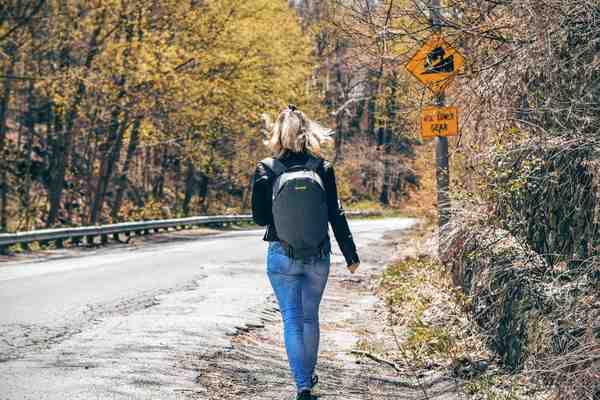
Solo travel can be one of the most rewarding ways to explore the United States. You control the schedule, choose the destinations, and have the freedom to change plans whenever something interesting appears. However, that independence also means you are responsible for your own safety, transportation, accommodation, and emergency planning.
The good news is that traveling alone safely does not require constant worry. Most solo travel precautions involve simple preparation, good judgment, and awareness of your surroundings. Whether you are visiting a major city, driving between national parks, or spending a quiet weekend in a small town, the following strategies can help you feel more secure and confident throughout your journey.
Research Your Destination Before You Arrive
Every destination has neighborhoods, transportation systems, local customs, and safety concerns that visitors should understand. Before booking accommodation, research the surrounding area rather than judging a property by its price or photographs alone. Read recent guest reviews, examine the location on a map, and check how far it is from public transportation, restaurants, and attractions.
Look for practical details that affect solo trip safety. Find out whether public transportation operates late at night, whether rideshare services are widely available, and which areas are quieter after business hours. Learning these details before arrival reduces the chance of becoming lost or stranded in an unfamiliar location.
It is also helpful to identify nearby hospitals, pharmacies, police stations, and 24-hour businesses. You may never need them, but knowing where to find assistance can make an unfamiliar destination feel much easier to manage.
Share Your Itinerary With Someone You Trust
Give a trusted friend or family member a basic copy of your travel plans. Include your flight information, accommodation addresses, driving route, and expected return date. You do not need to report every movement, but someone should know where you are generally supposed to be.
Arrange regular check-ins, especially when hiking, driving through remote areas, or changing destinations. A short message at the end of each day may be enough. When plans change, update that person so they are not relying on outdated information.
You can also share your phone’s location temporarily with a trusted contact. Location sharing should support your safety without replacing direct communication, since batteries can die and mobile service may be unavailable.
Choose Accommodation With Safety in Mind
A cheap room is not always a good deal when it leaves you isolated or dependent on expensive transportation. Prioritize properties with strong recent reviews, secure entrances, staffed reception areas, adequate lighting, and convenient access to the places you intend to visit.
When checking in, avoid announcing that you are traveling alone. Ask staff to write your room number rather than saying it loudly. Once inside, lock the door and use any additional latch or deadbolt provided. Do not open the door for unexpected visitors without confirming their identity with reception.
In shared accommodation, keep your passport, money, medication, and electronics in a secure locker. Even in friendly environments, important belongings should not be left unattended.
Plan Safe Transportation
Using Rideshare Services
Before entering a rideshare vehicle, confirm the driver’s name, photograph, license plate, and vehicle description through the official app. Ask the driver who they are picking up instead of stating your own name first. Sit in the back seat, keep your phone accessible, and follow the route on your map.
If something feels wrong, trust your instincts. End the ride in a busy, well-lit public place and contact the platform or emergency services when necessary.
Driving Alone
Road trips provide flexibility, but they require additional solo travel precautions. Keep the fuel tank comfortably above empty, particularly in rural areas where gas stations may be far apart. Check the weather, road conditions, and estimated driving time before leaving.
Avoid pushing yourself through exhaustion. Stop at busy service areas, lock the vehicle whenever you step away, and keep valuables out of sight. Download offline maps because mobile reception can disappear in mountains, deserts, forests, and national parks.
Public Transportation
Learn the correct route before boarding and avoid displaying cash or expensive devices unnecessarily. During quieter hours, stay near other passengers or close to the driver. Missing a stop is inconvenient, but leaving the vehicle in an isolated area may create a larger problem. When uncertain, ask the driver or station staff for guidance.
Protect Your Money and Documents
Do not keep all your money, cards, and identification in one place. Carry a limited amount of cash and store a backup payment method separately. Make digital copies of your passport, driver’s license, travel insurance details, and important reservations.
Use secure networks when accessing financial accounts. Public Wi-Fi may be convenient, but it is not the best place to manage sensitive information. Avoid leaving your phone unattended, and protect it with a strong passcode and tracking features.
Before departure, review your bank’s process for reporting a lost or stolen card. Knowing what to do in advance can save valuable time during an already stressful situation.
Stay Aware Without Looking Afraid
Confidence and awareness are important parts of traveling alone safely. Walk with purpose, keep your attention on the surrounding area, and avoid becoming completely absorbed in your phone. Headphones can make it harder to notice traffic, approaching people, or public announcements, so keep the volume low or use only one earbud.
Try not to display large amounts of cash, expensive jewelry, or unnecessary valuables. In crowded attractions, stations, and entertainment districts, keep your bag closed and positioned where you can see or feel it.
If a person or situation makes you uncomfortable, leave. You do not owe strangers politeness at the expense of your personal safety. Enter a hotel, restaurant, shop, or other populated place and ask an employee for assistance when needed.
Be Careful When Meeting New People
Meeting residents and other travelers can become one of the best parts of a solo trip. Still, new friendships should develop with sensible boundaries. Meet unfamiliar people in public locations, arrange your own transportation, and avoid sharing your accommodation details too quickly.
Watch your food and drinks, and do not accept open beverages from strangers. If you choose to drink alcohol, remain aware of how it affects your judgment and ability to navigate back to your accommodation.
A useful safety habit is to avoid telling strangers that nobody knows where you are. Instead, casually mention that a friend is expecting an update or that you are meeting someone later.
Prepare for Emergencies
Save essential numbers in your phone and write them down somewhere separate. In the United States, 911 connects callers with emergency services. You should also keep the contact information for your accommodation, travel insurer, bank, and a trusted person at home.
Carry necessary medication in its original packaging and bring slightly more than you expect to use. A compact first-aid kit, portable charger, flashlight, water bottle, and weather-appropriate clothing can be valuable, especially during outdoor trips.
For hiking or remote travel, tell someone your route and expected return time. Do not depend entirely on mobile service. Check trail difficulty, weather conditions, park alerts, and daylight hours before setting out.
Choose Destinations That Match Your Experience
Lists of safe solo travel destinations can provide inspiration, but no city or region is completely risk-free. Safety can vary between neighborhoods, seasons, events, and even different times of day. A destination that feels manageable to an experienced traveler may feel overwhelming to someone taking their first solo trip.
For an initial journey, consider a destination with reliable transportation, walkable central areas, established tourism services, and accommodation close to the main attractions. Starting with a shorter trip can help you develop confidence before planning a longer cross-country adventure.
Frequently Asked Questions
Is solo travel in the USA safe?
Solo travel in the USA can be safe when you research your destination, choose secure accommodation, plan transportation, and remain aware of your surroundings. Conditions vary considerably between locations, so destination-specific preparation is important.
What should I carry when traveling alone?
Carry identification, a charged phone, a portable charger, a small amount of cash, at least two payment methods, necessary medication, emergency contacts, and copies of important documents. Outdoor or road trips may require additional water, food, clothing, and navigation tools.
How can I stay safe in a hotel alone?
Choose a well-reviewed property in a convenient area, keep your room number private, lock the door, and confirm unexpected visitors with reception. Avoid publicly sharing your exact room or accommodation location.
Should I tell people that I am traveling alone?
You do not need to hide the fact from everyone, but avoid sharing detailed plans with strangers. When a situation feels uncomfortable, suggesting that someone expects you or knows your location can provide an additional layer of protection.
Travel Independently With Confidence
Good solo travel safety is not about expecting something to go wrong. It is about reducing avoidable risks so you can focus on the experience. Research your route, protect your belongings, communicate with someone you trust, and listen to your instincts.
With thoughtful planning and practical solo travel precautions, exploring the USA alone can feel both exciting and manageable. Confidence grows with every successful decision, turning each journey into valuable experience for the next adventure.