
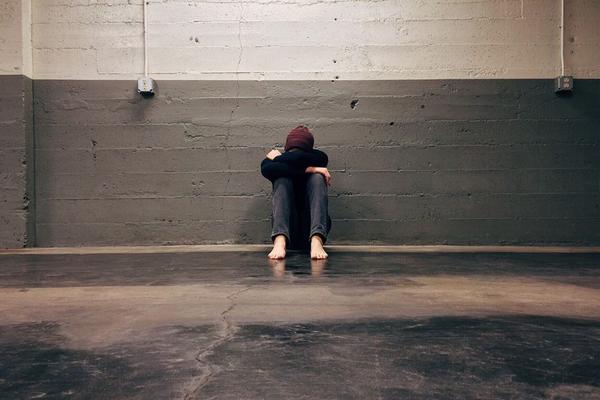
Booking a trip on your own can feel exciting right up until you imagine arriving somewhere unfamiliar with nobody beside you. What if you get lost, feel awkward at dinner, or simply wish you had stayed home? Solo travel anxiety often grows in the space between picturing a trip and knowing how its ordinary moments will work.
Feeling nervous does not mean you are unsuited to traveling alone. It usually means you are facing several unknowns at once. The goal is not to eliminate every worry before departure. It is to make the next step feel manageable, then build confidence through experience.
Give Your Worries a Specific Job
The fear of traveling alone can seem like one enormous problem, but it is often a collection of smaller concerns: navigating transport, staying safe, eating alone, or dealing with a disrupted plan. Write down what actually worries you. Beside each concern, add one action you can take.
For example, “I might not find my hotel” becomes “I will save its address offline, check the route from the station, and identify an official taxi option.” “I will feel lonely” becomes “I will plan a short call home and one optional group activity.” A useful plan answers a question; endless research merely creates more questions.
Plan Your First 90 Minutes
The opening stretch of a solo trip deserves more attention than the fifth day. Decide how you will leave the airport or station, reach your accommodation, check in, and get food or water. Save booking details and directions somewhere accessible without mobile data.
Picture arriving in a new city at 6 p.m. Rather than immediately exploring, your only jobs are to take a pre-researched route to your hotel, check in, and find dinner nearby. Once those are done, you have already navigated your first evening independently. That is a stronger foundation for solo trip confidence than a packed itinerary.
Prepare a Plan B, Not Ten Backup Plans
Uncertainty is unavoidable, so choose a few practical safeguards. Know what you will do if your phone battery dies, a train is canceled, or your accommodation cannot find your reservation. Keep a charged power bank, an offline map, emergency contacts, and a little accessible backup money.
Check official destination travel advice, entry requirements, and local transport guidance before leaving. Share your itinerary and a sensible check-in arrangement with someone you trust. Preparation should increase freedom, not turn every unlikely possibility into a crisis you must rehearse.
Practice Being Alone Before You Go
You do not have to start with a week abroad. Try an afternoon in a nearby town, a museum visit, or lunch at a café where you have never been. Practice finding your route and making small decisions without seeking immediate reassurance.
Then try a one-night trip within comfortable reach of home. Notice which worries disappear once you begin and which need more planning. Gradual, achievable steps can help you get used to situations you have been avoiding; forcing yourself into an overwhelming trip is not a requirement.
Build Familiarity Into an Unfamiliar Place
A small routine can make the first days feel less chaotic. Get breakfast in the same area, review tomorrow’s route each evening, or take ten quiet minutes after returning to your room. Keep enough space for rest, especially after a long travel day.
Choose one main activity daily and leave room for changes. When every hour has a reservation, even a minor delay can feel like failure. A flexible schedule lets you enjoy the destination rather than constantly catch up with it.
Make Eating Alone and Social Moments Easier
Restaurants can feel more intimidating than landmarks because you suddenly notice other people sitting together. Start with a café, casual lunch spot, or counter-service restaurant if that feels easier. Bring a book, or simply enjoy watching the street. Most diners are focused on their own meals.
If you want company, consider a guided walking tour, a daytime class, or an organized group activity with credible reviews. You can talk to others without expecting to make lifelong friends. You can also decline invitations, protect your personal details, and leave a situation that feels uncomfortable.
Know What to Do When Anxiety Spikes
If your thoughts start racing in a busy station, move somewhere safe and less crowded if possible. Put both feet on the ground, slow your breathing without forcing it, and name a few things you can see or hear. Grounding can help shift attention away from the imagined worst-case scenario.
Next, narrow the task. You do not need to solve the entire afternoon. You need to read the next platform sign, ask staff one question, or find a seat and check your map. Break the moment into actions that are small enough to complete.
Remind yourself that feeling anxious and being in danger are not the same, while still taking genuine safety concerns seriously. If anxiety is persistent, causes panic, or significantly limits your life, a qualified mental health professional can help you find strategies suited to your circumstances.
Measure Confidence by Recovery, Not Fearlessness
One of the most useful travel anxiety tips is to redefine a good day. It is not a day when nothing goes wrong. It is a day when you notice what happened, make a reasonable decision, and continue or rest as needed.
After each outing, write down one thing you handled yourself: ordering food, asking for directions, changing plans, or spending an enjoyable hour alone. These specifics are more convincing than telling yourself to “be confident.” A first solo trip checklist or a guide to planning a flexible solo itinerary can also reduce decision fatigue without controlling every minute.
Frequently Asked Questions
Is it normal to have anxiety before your first solo trip?
Yes. New transport systems, unfamiliar surroundings, and making decisions alone can feel daunting. Nervousness does not predict whether you will enjoy the experience. Start with an achievable trip and practical arrangements for arrival.
Should I cancel a solo trip if I feel scared?
Not automatically. Consider whether the concern points to an actual safety issue or mainly to uncertainty. Address practical risks and adjust the trip’s scope if needed. If anxiety feels unmanageable, seeking professional support before traveling is reasonable.
How can I stop feeling awkward when traveling alone?
Choose low-pressure activities first and let yourself be a beginner. Eating at a casual café, joining a short group tour, or practicing simple conversations can gradually make solo situations feel more ordinary.
What if I get lonely while traveling by myself?
Plan optional connection rather than constant company. A scheduled call, an organized activity, or a conversation with another traveler can help. You can also shorten an outing and recharge without treating loneliness as a failure.
Let Comfort Grow One Decision at a Time
Solo travel anxiety becomes easier to work with when you stop demanding instant bravery. Plan your arrival, keep a few dependable routines, allow flexibility, and practice handling small uncertainties. You may still feel nervous walking out of the station. You can feel nervous and capable at the same time.