
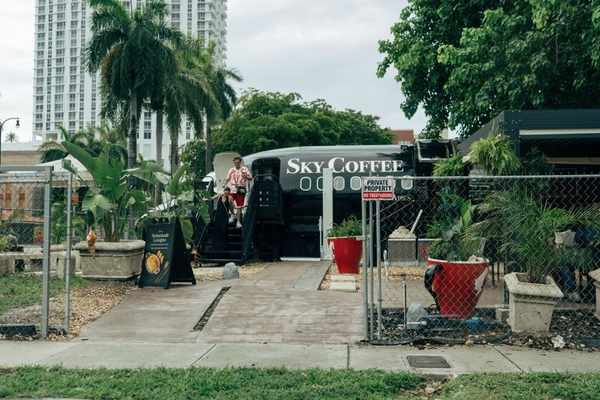
Miami is easiest to understand one bite at a time. Start with sweet Cuban coffee at a sidewalk window, follow it with a flaky guava pastry, then end the day over fried fish or Haitian griot. Those meals tell different stories, but together explain why eating here is about more than beachside restaurants. This Miami food guide covers the dishes, neighborhoods and small rituals that make the city memorable.
Begin with Miami Cuban Food, Not Just a Cuban Sandwich
Cuban cooking is central to Miami’s identity, shaped by generations of families, cafes and bakeries. Little Havana is the obvious introduction, particularly around Calle Ocho (Southwest Eighth Street), but Cuban cafeterias appear throughout the area. A neighborhood counter can be every bit as rewarding as a famous dining room.
Learn the ventanita ritual
A ventanita is a walk-up coffee window, often attached to a Cuban restaurant or bakery. Order a cafecito for a small, sweet espresso, a cortadito for espresso softened with milk, or a café con leche for a milkier drink. A colada typically comes with little cups because it’s made for sharing. Pair your coffee with a guava pastelito or croqueta, and watch the rhythm of the counter.
Versailles on Calle Ocho is a recognizable starting point, but don’t treat it as the only stop. Try one landmark and one smaller bakery, noticing how each handles coffee, pastries and conversation.
Order the classics with a little curiosity
The Cuban sandwich combines roasted pork, ham, Swiss cheese, pickles and mustard on pressed Cuban bread. Its crisp exterior is part of the appeal. But menus offer much more: ropa vieja is shredded beef simmered in a savory tomato-based sauce; vaca frita features beef with browned edges; and lechón asado brings slow-roasted pork to the plate.
Look for black beans, rice, sweet plantains and yuca alongside these mains. Cuban plates are often generous, so sharing lets you try more. Miami local cuisine becomes easier to appreciate when you explore everyday dishes rather than ordering only the sandwich everyone photographs.
Explore the Miami Food Neighborhoods
Miami’s food map is spread out. Picking one neighborhood for each meal is more practical than crisscrossing the city for every recommendation.
Little Havana: coffee, bakeries and traditional plates
Walk along Calle Ocho, stop for coffee and browse bakery cases before sitting down for lunch. Connect the food with the Cuban-American community’s cultural history. Visiting earlier can make the experience more relaxed, particularly if you want to linger instead of rushing between attractions.
Little Haiti: Caribbean flavors worth slowing down for
Little Haiti offers another culinary perspective. Seek out griot, seasoned fried pork often served with pikliz, a sharp, spicy pickled-vegetable condiment. Other options include rice with beans, fried plantains and seafood with Haitian and broader Caribbean influences. Chef Creole is a long-established name associated with the area’s food scene.
Doral, Wynwood and Miami Beach: different ways to dine
Doral is useful for Venezuelan and other Latin American cooking, including arepas and cachapas. Wynwood pairs an arts-focused outing with eclectic restaurants, while Miami Beach ranges from casual bites to upscale seafood. Choose according to your mood: a quick lunch, an afternoon of sampling or a special dinner.
Geography matters. Miami Beach is across the bay from mainland Miami, and traffic can turn a short-looking journey into a lengthy one. Group meals by area instead of assuming every neighborhood is nearby.
Make Room for Seafood and Tropical Produce
With the Atlantic nearby, seafood belongs on the itinerary. Try grilled or fried fish, shrimp or a conch preparation where available. Ask what is fresh that day rather than assuming every waterfront menu features locally caught seafood. Fried conch has deep connections to Caribbean and Bahamian traditions in South Florida.
Florida stone crab claws are a regional specialty. The state’s harvest season runs from October 15 through May 1; availability and pricing vary, and restaurants may serve legally stored claws outside the season. Ask about origin before ordering. It’s a tempting splurge, but not a requirement for eating well in Miami.
For a lighter break, look for fresh fruit, juices and shakes made with mango, guava or mamey. A fruit stand or Latin bakery can turn an afternoon snack into a memorable discovery. Tropical flavors are as much a part of the experience as restaurant entrees.
How to Build a Food-Focused Day Without Overplanning
Here’s one realistic route: begin in Little Havana with a cortadito and pastelito, walk around Calle Ocho, then have a late lunch of ropa vieja or roast pork. Save your evening for a different neighborhood rather than forcing three substantial meals into the same blocks. On another day, make Little Haiti your main lunch stop and choose seafood near where you’re staying.
Leave room for surprises. A crowded counter with a short menu can be more satisfying than somewhere chosen solely for its waterfront view. If you spot an unfamiliar pastry, ask the person behind the counter what’s inside. Small conversations can lead to better orders than a hurried online ranking.
For a wider itinerary, combine food stops with a Miami neighborhoods guide. If you’re visiting beyond the city, a South Florida weekend itinerary can help you choose which meals deserve a detour.
Simple Tips for Eating Well in Miami
Check opening hours before setting out, especially for independent bakeries and lunch counters. Bring a card, but keep a little cash handy. Consider visiting outside peak lunch and dinner periods when you want a slower experience.
Read menus carefully: a traditional Cuban dish, a Haitian specialty and a modern Latin-fusion creation aren’t interchangeable, even when they share ingredients such as rice or plantains. Nor must every stop involve a full meal. One croqueta, coffee and conversation can be an excellent introduction.
Frequently Asked Questions
What food is Miami most famous for?
Cuban sandwiches, croquetas, cafecitos and Cuban pastries are especially recognizable. Miami is also known for Haitian and other Caribbean dishes, Latin American specialties, seafood and tropical fruit drinks.
Where should first-time visitors eat in Miami?
Little Havana is a natural first stop for Cuban food and coffee. Add Little Haiti for Caribbean flavors, then explore Doral, Wynwood or Miami Beach depending on the cuisine and atmosphere you prefer.
Is Miami food expensive?
It can be, especially at upscale waterfront restaurants, but cafeterias, bakeries and casual neighborhood kitchens provide more affordable options. Mix inexpensive daytime stops with one planned dinner to manage your budget.
When can you eat Florida stone crab in Miami?
The Florida harvest season is October 15 to May 1. Restaurant availability varies, and properly stored claws may sometimes be sold outside that window. Ask about the source when ordering.
A Better Way to Taste Miami
The best Miami meals don’t all belong to one cuisine or price bracket. A shared colada, a Haitian plate brightened with pikliz and a seafood dinner reveal different parts of the city’s identity. Let neighborhoods guide your appetite and leave space for casual stops. You’ll remember the people and places as clearly as the food.