
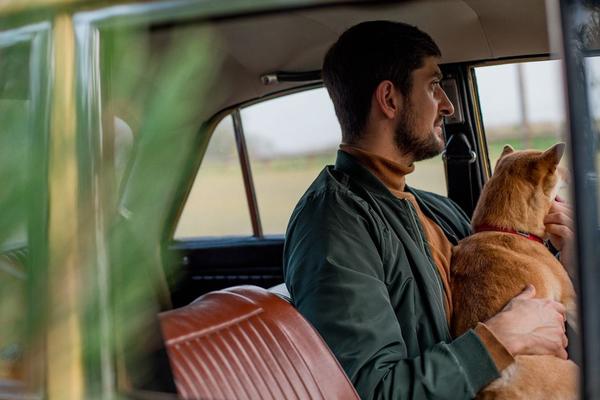
A road trip with a dog changes how you plan a day on the highway. You cannot simply drive until the fuel gauge drops, grab lunch anywhere, and book the cheapest room at the next exit. Your dog needs safe seating, familiar food, exercise, water, and places where pets are welcome. Build those needs into the route from the beginning, and the journey becomes easier for both of you.
Check Whether Your Dog Is Ready for the Drive
Start with your dog’s health and temperament. A dog that pants, drools, or becomes restless during a 20-minute ride may struggle with six hours of travel. Try shorter drives before departure, gradually adding distance and a relaxed stop. Reward calm behavior rather than expecting instant enthusiasm.
Arrange a veterinary visit if your dog has health concerns, takes medication, experiences motion sickness, or becomes anxious in cars. Ask about appropriate treatment rather than giving human medications. Make sure vaccinations and parasite prevention are current, especially if your plans include campgrounds or trails.
Build a Route Around Dog-Friendly Stops
For a dog friendly road trip, driving time is only part of the schedule. Add toilet breaks, short walks, and unexpected delays. A practical starting point is to stop roughly every two to three hours, adjusting for your dog’s age and comfort. Puppies and senior dogs may need more frequent breaks.
Choose stops before leaving: highway rest areas with pet spaces, parks close to exits, and outdoor areas where dogs are permitted. Save backup options in case somewhere is closed. Check local leash rules and never assume every park or beach welcomes dogs.
A Realistic Travel-Day Example
Imagine driving from Denver toward Moab, Utah. Rather than aiming only for the fastest arrival, schedule a morning walk, a short leash break en route, and a longer shaded stop before reaching the hotter desert landscape. Arriving during daylight also makes finding a relief area and checking into lodging easier.
If sightseeing attractions do not allow dogs, choose alternative activities or arrange suitable care instead of leaving your pet in the vehicle.
Secure Your Dog Properly in the Car
A loose dog can distract the driver and be injured during sudden braking. Use a properly fitted vehicle-restraint harness or a secured, well-ventilated carrier suitable for your dog’s size. Position your dog in the back seat or an appropriate secured cargo area, never on the driver’s lap or in front of an active passenger airbag.
Introduce the restraint on short drives. Do not attach a vehicle restraint directly to a neck collar. Keep your dog inside the car rather than allowing its head out the window. The CDC also recommends securing carriers so they cannot slide or shift.
Pack a Dedicated Dog Travel Bag
Keep everyday supplies together and easy to reach. Essentials for a pet road trip include your dog’s normal food, extra drinking water, portable bowls, a leash and harness, waste bags, a towel, bedding, and a familiar toy. Carry more food than the scheduled days require in case travel is delayed.
Add medications, a basic pet first-aid kit, vaccination records, identification details, and your veterinarian’s phone number. Store spare supplies separately in case something gets wet or lost. Wipes and sealable bags help after muddy walks or an upset stomach.
Pair this with a road trip packing checklist for luggage and vehicle supplies so your dog’s essentials do not get buried under suitcases.
Keep Food, Water, and Breaks Predictable
Offer fresh water regularly, particularly in warm weather. Avoid allowing your dog to drink from unfamiliar standing water. Stick with its usual diet; unfamiliar treats may cause digestive trouble halfway through the drive.
If your dog gets carsick, ask your veterinarian about meal timing and prevention. At stops, attach the leash before opening the door and check the harness and identification tag. A few minutes of sniffing can be more relaxing than a hurried toilet break.
Book Lodging That Really Welcomes Dogs
Pet-friendly does not necessarily mean unrestricted. Before paying, confirm the property’s pet fee, weight or breed policies, number-of-pets limit, and rules about leaving animals unattended. Ask where the nearest outdoor relief area is and whether dogs can enter shared spaces.
A ground-floor room near an exit simplifies late-night walks. Bring familiar bedding to create a resting spot, and consider hallway noise if your dog barks easily. Reserve accommodation in advance for busy weekends rather than hoping for a suitable room after dark.
Check Pet Documents and State Rules
Requirements for traveling with a dog across state lines can differ by destination. The USDA explains that receiving states and territories set their own animal-health requirements, potentially including vaccination evidence or a veterinary health certificate. Check the relevant state animal-health authority before leaving instead of assuming one rule applies nationwide.
Update your dog’s microchip registration and identification tag. Keep vaccination records available both digitally and offline. Hawaii and travel outside the mainland United States warrant additional preparation, so verify any specific requirements well ahead of departure.
Plan for Heat, Weather, and Wildlife
Never leave your dog alone in a parked car, even with cracked windows or on a mild day. The vehicle can become dangerous quickly. Solo travelers should choose meals and rest stops where they can remain with their dog rather than leaving it behind.
During summer, walk in cooler hours, check pavement temperature, and watch for excessive panting, weakness, or unusual behavior. Move a dog showing signs of heat stress to a cooler location and seek prompt veterinary advice. In winter, account for icy surfaces and shelter during breaks.
National parks have different pet-access rules; some trails and buildings exclude dogs. The National Park Service advises checking permitted areas, respecting wildlife, disposing of waste, and following leash limits, often six feet. Research dog-friendly hiking trails for the actual park you plan to visit.
Frequently Asked Questions
How often should I stop on a road trip with a dog?
Plan a break about every two to three hours as a flexible starting point. Stop sooner if your dog needs the toilet, seems stressed, or needs water. Puppies, older dogs, and dogs with medical conditions may need shorter stretches.
What if my dog gets carsick?
Begin with short practice drives, keep the vehicle ventilated, and ask your veterinarian about safe options. Never give human motion-sickness medication without veterinary guidance.
Do dogs need paperwork for interstate road trips?
Sometimes. Requirements depend on the destination state or territory and the circumstances of travel. Check official animal-health rules and carry vaccination records even when a certificate is not required.
Can I take my dog into every national park?
No. Rules differ between parks and even between areas within a park. Check the specific park’s pet information before finalizing your itinerary.
Make the Journey Comfortable, Not Just Possible
The most useful dog travel tips are simple: allow extra time, secure your passenger, keep routines familiar, and verify destination rules. Traveling with a dog is better when the itinerary leaves room for another walk, a quiet rest, or a changed plan. Those moments are part of the adventure, not interruptions.