
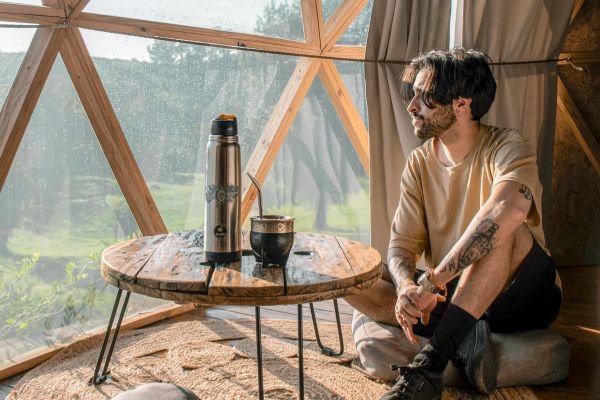
Asia has long been associated with healing, stillness, and inner balance. Long before wellness became a travel trend, many parts of the continent were already shaped by traditions that understood rest as something deeper than simply taking a break. From Himalayan monasteries and Ayurvedic centers to tropical yoga sanctuaries and quiet island hideaways, the region offers many ways to pause, breathe, and return to yourself.
The appeal of Wellness Retreats in Asia is not only about beautiful surroundings, though there are plenty of those. It is also about rhythm. Mornings may begin with meditation instead of emails. Meals are often slower, lighter, and more intentional. Days are built around movement, silence, nature, and simple routines that remind the body it does not always have to rush.
For travelers feeling tired, overstimulated, or disconnected, Asia’s wellness destinations can offer something rare: space. Not just physical space, but emotional and mental space too. The best retreats are not about escaping life forever. They are about stepping away long enough to return with more clarity.
Bali’s Gentle Blend of Yoga and Nature
Bali is one of the most loved wellness destinations in Asia, and it is easy to understand why. The island has a softness to it, especially away from the busiest beaches. Rice terraces, jungle paths, temple sounds, and slow mornings create an atmosphere that naturally supports reflection.
Ubud is often seen as Bali’s wellness heart. It is surrounded by greenery, art, traditional healing practices, and yoga spaces that welcome both beginners and experienced practitioners. Many travelers come here for yoga retreats, meditation programs, plant-based meals, breathwork, spa treatments, or simply a quieter way to spend a week.
What makes Bali special is the way wellness feels woven into daily life. Offerings appear outside homes and shops. Incense drifts through the air. People move between cafés, studios, temples, and forest walks with a slower pace than many visitors are used to. It can feel grounding, even if only for a short time.
Still, Bali is not a hidden secret anymore. Some areas can feel busy and commercial. The best experience often comes from choosing quieter villages, smaller retreats, or places slightly outside the main tourist flow. There, the island’s calmer spirit is easier to feel.
Thailand’s Island Retreats and Mindful Escapes
Thailand offers a wide range of wellness experiences, from beachside yoga retreats to meditation centers and detox-focused stays. Its tropical climate, warm hospitality, and easy access to nature make it especially appealing for travelers who want healing with a sense of ease.
Koh Samui, Koh Phangan, Phuket, and Chiang Mai are among the most popular wellness areas, each with a different mood. The islands are often associated with yoga, spa therapies, healthy eating, and oceanfront relaxation. Chiang Mai, on the other hand, brings a quieter northern atmosphere, with mountains, temples, and meditation traditions close at hand.
A wellness trip in Thailand can be as structured or as relaxed as you want. Some retreats offer full daily schedules with yoga, fitness, massage, and guided workshops. Others allow more space for rest, swimming, reading, or walking barefoot along the shore.
There is also a strong culture of massage and bodywork throughout the country. After long periods of stress, the simple act of receiving thoughtful, skilled touch can feel deeply restorative. Thailand reminds travelers that wellness does not always need to be complicated. Sometimes, warmth, movement, clean food, and rest are enough.
India’s Ancient Healing Traditions
India holds one of the deepest wellness traditions in the world. Ayurveda, yoga, meditation, breathwork, and spiritual study have roots here that go back centuries. For many travelers, India is not just a wellness destination; it is a place to explore the meaning behind wellness itself.
Kerala is especially known for Ayurveda. Its backwaters, coconut groves, and humid coastal climate create a peaceful setting for traditional treatments, herbal therapies, oil massages, and carefully planned meals. Ayurvedic retreats often focus on balance, digestion, rest, and long-term health rather than quick fixes.
Rishikesh, located along the Ganges River in northern India, is another major center for yoga and meditation. The town sits at the foothills of the Himalayas, where the landscape feels both active and sacred. Many visitors come for teacher trainings, ashram stays, silent retreats, or simple daily yoga practice.
India can be intense, especially for first-time visitors. It is colorful, noisy, spiritual, chaotic, beautiful, and sometimes overwhelming. But within that intensity, many travelers find a kind of honesty. Wellness here is not always polished. It asks for participation, patience, and openness.
Among Wellness Retreats in Asia, India stands out for its depth. It offers not just relaxation, but a chance to engage with ancient systems of healing that continue to shape modern wellness around the world.
Sri Lanka’s Coastal Calm and Ayurvedic Care
Sri Lanka offers a gentler, more compact wellness experience, with beaches, tea hills, wildlife, temples, and Ayurvedic traditions all within reach. The country feels lush and warm, and its slower coastal rhythm makes it a natural choice for restorative travel.
Along the south coast, travelers can find yoga retreats, surf-and-wellness stays, meditation spaces, and Ayurveda-inspired programs. Mornings might begin with yoga facing the sea, followed by fresh fruit, quiet reading, or a walk along the beach. The pace is easy without feeling empty.
Inland areas, especially around the hill country, offer another type of wellness. Cooler air, tea plantations, misty views, and mountain roads create a calmer, more reflective mood. It is the kind of place where doing less feels natural.
Sri Lanka’s wellness appeal lies in balance. It does not feel as crowded as some major wellness hubs, yet it has enough variety for travelers who want both structure and freedom. You can spend part of the trip in a retreat and part exploring temples, local food, or quiet villages.
Japan’s Quiet Rituals and Natural Stillness
Japan approaches wellness in a subtle, thoughtful way. It may not always use the language of retreats, but the country offers many experiences that restore the mind and body through simplicity, beauty, and ritual.
Onsen bathing is one of Japan’s most soothing traditions. Natural hot springs, often located in mountain towns or rural inns, invite travelers to slow down in a very physical way. The heat, mineral water, silence, and seasonal surroundings create a sense of calm that is hard to explain until you feel it.
Forest bathing, or shinrin-yoku, is another deeply restorative practice associated with Japan. It is not hiking for exercise or sightseeing for photos. It is simply being in the forest with full attention. The sound of leaves, the smell of trees, and the softness of filtered light become part of the healing process.
Kyoto, Hakone, Nagano, and rural regions across Japan offer meaningful wellness experiences, especially for travelers drawn to quiet beauty. Tea ceremonies, temple stays, minimalist rooms, seasonal meals, and careful attention to detail can all feel meditative.
Japan is ideal for those who prefer wellness that is understated rather than expressive. It does not need to announce itself. It is found in the bath, the garden, the meal, the walk, and the silence between things.
Nepal’s Mountain Peace and Spiritual Depth
Nepal offers wellness with a mountain soul. The Himalayas shape the country’s atmosphere in a way that feels both humbling and uplifting. For travelers seeking reflection, simplicity, and spiritual quiet, Nepal can be deeply moving.
Kathmandu Valley has meditation centers, monasteries, and yoga retreats that draw visitors from around the world. The city itself can be busy, but nearby hills and villages offer a softer rhythm. Monastery stays and meditation programs allow travelers to experience silence, discipline, and Buddhist teachings in a grounded setting.
Pokhara is another popular base for wellness travel. Set beside a lake with mountain views in the distance, it has a relaxed feeling that supports yoga, gentle trekking, meditation, and rest. The landscape encourages perspective. Problems that felt large at home can seem smaller against the scale of the mountains.
Wellness in Nepal often comes through simplicity. Rooms may be modest. Meals may be plain. Days may follow the rhythm of sunrise, walking, prayer flags, and cool evening air. That simplicity can be exactly what an overworked mind needs.
Bhutan’s Happiness-Centered Way of Life
Bhutan has a unique place in wellness travel because its national identity is closely tied to well-being, balance, and cultural preservation. The country’s mountain landscapes, Buddhist traditions, and quiet pace create a deeply reflective atmosphere.
Traveling in Bhutan often involves monasteries, dzongs, forested valleys, prayer flags, and long views across the Himalayas. The famous hike to Tiger’s Nest Monastery is physically challenging, but also emotionally memorable. It captures much of what makes Bhutan special: effort, beauty, silence, and spiritual presence.
Wellness here is not only about treatments or scheduled retreat programs. It is also about environment. Clean mountain air, limited crowds, strong cultural identity, and a slower way of life shape the experience. The country encourages travelers to notice how outer surroundings affect inner states.
Bhutan may not suit every budget or travel style, but for those who make the journey, it offers something rare. It feels protected, intentional, and deeply connected to the idea that well-being is more than personal comfort.
Vietnam’s Restorative Landscapes and Slower Corners
Vietnam is often known for its food, cities, and dramatic landscapes, but it also has a growing wellness side. From quiet beach towns to mountain retreats and countryside stays, the country offers many places where travelers can slow down.
Hoi An is a favorite for those who want gentle beauty, walkable streets, riverside calm, and nearby beaches. Its lantern-lit evenings and relaxed pace can feel surprisingly restorative. Farther north, areas like Ninh Binh and Sapa offer green valleys, limestone cliffs, rice terraces, and cooler mountain air.
Vietnam’s wellness style is less formal in many places, which can be refreshing. A restorative trip might involve cycling through fields, eating fresh herbs and simple soups, taking a massage after a long walk, or sitting beside the water at sunset.
For travelers who do not want a fully structured retreat but still crave renewal, Vietnam offers a softer route into wellness. It reminds you that healing can happen through movement, food, beauty, and ordinary daily rhythm.
Indonesia Beyond Bali
While Bali receives most of the attention, Indonesia has many other places where wellness-minded travelers can find quiet and connection. Islands such as Lombok, Java, and parts of Sumatra offer landscapes that feel less crowded and more rooted in nature.
Lombok has beaches, hills, waterfalls, and a slower pace than Bali in many areas. It appeals to travelers who want yoga, surfing, nature, and simplicity without as much tourist density. Java offers a different kind of wellness through cultural depth, volcano landscapes, ancient temples, and spiritual history.
In quieter Indonesian destinations, wellness may not come packaged as a retreat. It may appear in the form of sunrise walks, ocean swims, village stays, fresh food, and time away from digital noise. Sometimes that kind of unstructured healing feels the most natural.
These places are worth considering for travelers who want the spirit of island wellness but prefer a less familiar path.
How to Choose the Right Retreat Experience
Choosing among the many Wellness Retreats in Asia depends on what you truly need. A tired body may benefit from massage, sleep, warm weather, and nourishing meals. A restless mind may need meditation, silence, and fewer distractions. Someone recovering from burnout may need gentle structure rather than a packed schedule of activities.
It helps to be honest before choosing a destination. Not every retreat suits every traveler. Some programs are disciplined, with early mornings, limited technology, simple food, and long meditation sessions. Others are more relaxed, offering yoga, spa treatments, nature walks, and plenty of personal time.
The setting matters too. Mountains can feel clarifying. Islands can feel soft and freeing. Forests can calm the nervous system. Historic cities may inspire reflection through beauty and culture. The right choice is not always the most famous one; it is the one that matches your current season of life.
A good wellness trip should leave you feeling more connected, not pressured to become a new person overnight. Real restoration is usually quieter than that.
Conclusion
Wellness travel in Asia is rich because it is not built around one single idea of healing. In Bali, it may look like yoga in the jungle. In Japan, it may be silence in a hot spring. In India, it may come through Ayurveda and spiritual practice. In Nepal or Bhutan, it may arrive slowly, carried by mountain air and prayer flags.
The most meaningful Wellness Retreats in Asia do more than offer rest. They invite travelers to listen to their bodies, soften their pace, and notice what has been ignored in the noise of everyday life. Some experiences are deeply spiritual. Others are simple and practical. Both can be valuable.
In the end, a wellness retreat is not about running away from life. It is about creating enough stillness to return to life with more awareness, more steadiness, and perhaps a little more kindness toward yourself.