
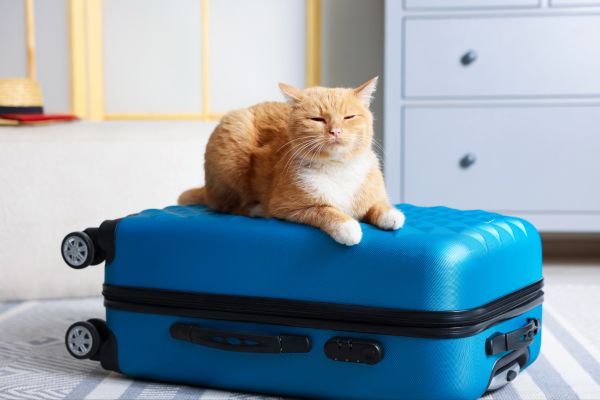
The idea of taking a pet on a journey can sound wonderfully simple. Pack a favorite blanket, bring enough food, secure the carrier, and head toward the open road. In photographs, traveling with pets often appears effortless: a dog leaning happily from a car window, a cat resting beside a campervan, or a small animal calmly watching the world pass by.
The reality is usually more complicated.
Pets do not understand flight delays, hotel check-in times, border paperwork, or why their familiar living room has suddenly disappeared. They experience travel through smells, sounds, movement, and the emotional signals of the person beside them. Some adjust quickly. Others need far more patience than expected.
Real journeys with animals contain stress, humor, inconvenience, and surprising moments of closeness. They also teach travelers to move differently, plan more carefully, and pay attention to details that would otherwise go unnoticed.
The First Journey Is Often the Hardest
For many people, the first trip with a pet begins with optimism and ends with a long list of lessons.
A couple driving to the coast with their young Labrador expected the three-hour journey to be easy. Their dog loved getting into the car and usually remained calm during short rides around town. Twenty minutes after leaving home, however, he began pacing across the back seat, panting heavily, and refusing to settle.
They stopped twice within the first hour.
At one rest area, the dog drank too much water too quickly and became sick beside the car. At another, he slipped partly out of his harness while chasing the scent of another dog. By the time they reached their accommodation, everyone was tired, and the carefully planned first afternoon had disappeared.
Still, the return journey was much smoother. They used a better-fitting restraint, offered smaller amounts of water, and took a long walk before starting the drive. The dog slept for most of the trip.
This is common when traveling with pets. The first attempt often reveals needs that were not obvious at home. What works during a ten-minute drive may not work over several hours. Travel becomes easier once both animal and owner understand the rhythm.
Familiar Objects Can Make Strange Places Feel Safer
Pets depend heavily on familiar smells and routines. A new room may look comfortable to a person, but to an animal, it can feel full of unknown scents and hidden sounds.
A woman traveling with her cat discovered this during a month-long stay in another city. She had chosen a quiet apartment and brought the cat’s usual food, toys, and litter. Even so, the cat spent the first day hiding behind the sofa.
Instead of pulling her out, the owner placed an old sweater near the hiding place and left the carrier open with a familiar blanket inside. Food and water were kept nearby. Gradually, the cat began exploring one corner at a time.
By the third evening, she was sitting on the windowsill.
That simple transition showed how important familiar objects can be. A pet’s bed, blanket, toy, or even an unwashed piece of clothing can provide reassurance in an unfamiliar environment. These items are not unnecessary luggage. They are part of the animal’s sense of home.
Road Trips Develop Their Own Routine
Car travel often becomes easier when the journey follows a predictable pattern.
A family traveling across several states with an older rescue dog developed a routine by the second day. The dog was walked before breakfast, fed a smaller meal than usual, and settled into the same place in the vehicle. Stops happened at regular intervals rather than only when someone needed fuel.
At first, these pauses felt time-consuming. Later, the family noticed that the dog became calmer because he seemed to understand what would happen next. He would rest between stops, stretch his legs, drink, and return to the car without resistance.
Traveling with pets can slow a road trip considerably. Yet that slower pace sometimes improves the experience. Travelers stop in quieter places, notice small parks, and spend less time rushing between destinations.
An animal’s needs create interruptions, but not every interruption is a problem.
Air Travel Brings a Different Kind of Stress
Flying with an animal requires more than choosing a destination and booking a seat. Carrier dimensions, health documents, temperature restrictions, airport procedures, and destination rules can all affect the journey.
A traveler flying internationally with a small dog spent weeks preparing. She introduced the carrier gradually, feeding the dog inside it and using it during short car rides. She checked the paperwork repeatedly and arrived at the airport much earlier than usual.
Even with all that preparation, the security process was stressful. The dog became nervous when removed from the carrier and tried to climb into her coat. During boarding, surrounding noise made him shake.
Once the aircraft settled into the flight, however, he became quiet.
The experience was manageable, but it was not relaxing. The traveler later said the emotional difficulty surprised her most. She had to remain calm while constantly wondering whether the dog was comfortable.
Air travel can be suitable for some animals, particularly when the trip is necessary and preparation is thorough. For others, the noise, handling, and confinement may be too distressing. The most convenient option for the owner is not always the kindest option for the pet.
Accommodation Changes the Whole Experience
A property that accepts animals is not automatically comfortable for them.
Some pet-friendly rooms are located beside busy elevators. Others have slippery floors, thin walls, or no safe outdoor space. A ground-floor room may make toilet breaks easier, while a quiet corner room can help an anxious dog settle.
One traveler booked a countryside cottage with her energetic spaniel because the listing mentioned open fields nearby. After arriving, she discovered that the property boundary was not fenced and livestock grazed just beyond it.
The holiday was still enjoyable, but every outdoor break required a lead. The dog could not run freely as expected.
Later trips were planned more carefully. She began checking fence height, nearby roads, local walking rules, and whether other animals lived on the property. These questions mattered more than stylish furniture or a scenic view.
Good accommodation reduces stress for everyone. When the environment suits the pet, the owner spends less time managing problems and more time enjoying the trip.
Pets Change the Way Travelers Meet People
Animals can make strangers more approachable.
A man walking through a small French town with his mixed-breed dog found that local people often stopped to ask questions. Some wanted to know the dog’s name. Others offered water or suggested walking routes. Even when language was limited, the dog provided an easy subject.
At one café, the owner brought out a bowl before taking the man’s order. That small gesture led to a longer conversation about local dogs, nearby trails, and village life.
Without the pet, the traveler might have remained anonymous.
Traveling with pets often creates these informal connections. People smile, share stories about their own animals, and offer advice. Pets can soften social boundaries, although owners still need to respect that not everyone is comfortable around animals.
Unexpected Problems Become Part of the Story
No amount of planning removes every surprise.
A dog may refuse to eat in a new place. A cat may discover an impossible hiding spot. A pet may bark at unfamiliar hallway noises, develop motion sickness, or become frightened by a crowded street.
During one camping trip, a family’s terrier escaped from the tent after hearing an animal outside. He was found several minutes later standing beside another campsite, happily accepting pieces of sausage from strangers.
The incident was frightening, then funny, but it changed how the family handled the rest of the trip. The dog’s lead remained attached before the tent was opened, and his identification details were checked again.
Mistakes can happen quickly. The important part is learning from them rather than pretending that a well-loved pet will automatically behave as expected in a new environment.
The Animal’s Comfort Has to Come First
Travelers sometimes become focused on completing an itinerary. Pets care nothing about famous viewpoints, restaurant reservations, or getting the perfect photograph before sunset.
A dog that is exhausted may need rest. A nervous cat may need a quiet day inside. An older animal may not be able to walk as far as expected.
Changing plans can feel disappointing, but responsible travel requires flexibility. The pet did not choose the destination or the schedule. Its comfort depends entirely on the owner’s decisions.
This may mean skipping a crowded event, shortening a hike, returning to the room early, or choosing a less ambitious route. These compromises are part of the responsibility of bringing an animal along.
A Shared Journey Creates a Different Kind of Memory
Traveling with pets is rarely effortless. It involves extra preparation, slower movement, and frequent adjustments. There may be fur on the seats, muddy paws on clean floors, and moments when leaving the pet safely at home would have seemed much easier.
Yet shared journeys can deepen the relationship between people and animals.
Owners begin noticing how their pets respond to change, what makes them feel secure, and how strongly they depend on familiar routines. Pets, in turn, often become more confident when new experiences are introduced patiently.
The best memories may not come from reaching the destination. They may come from a quiet walk at sunrise, a dog sleeping peacefully after a long drive, or a cautious cat finally stepping onto an unfamiliar balcony.
Traveling with pets changes the journey because it is no longer shaped by human plans alone. It becomes an exercise in care, attention, and compromise. When the animal’s wellbeing remains at the center of every decision, the difficulties become manageable, and the shared experience can feel more meaningful than the destination itself.