
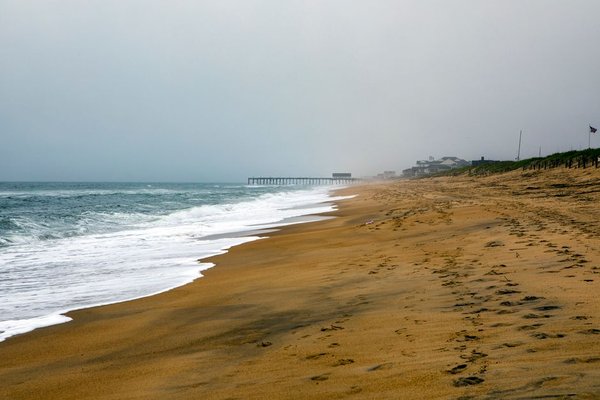
Ask ten different travelers when to visit the Outer Banks, and you’ll probably get ten different answers. Beach lovers swear by July. Anglers point to October. But there’s one crowd whose opinion rarely makes it into the conversation: the people chasing sightings of the wild horses that roam Corolla’s northern beaches. Timing your trip around these free-roaming mustangs adds a layer most Outer Banks guides skip entirely, and it happens to line up nicely with some of the calmer, more comfortable months to visit anyway.
Whether you’re after empty beaches, warm water, or a genuine shot at spotting the herds that have called this stretch of coast home for centuries, the “best” time really depends on what you’re chasing. Here’s a season-by-season breakdown to help you figure out when to book.
Outer Banks Weather Through the Year
Outer Banks weather swings more than people expect from a coastal destination. Summers are hot and humid, with temperatures regularly climbing into the mid-80s and occasional spikes past 90. Winters are mild by Northeastern standards but far from tropical, with daytime highs often sitting in the 50s and a real chance of a raw, windy day that keeps you off the sand entirely.
Spring and fall sit in the sweet spot. From April through early June, and again from September through October, temperatures hover in the 60s and 70s, humidity drops, and the wind that makes the Outer Banks a kiteboarding hotspot tends to be steadier and less oppressive. These shoulder seasons are also when hurricane risk is lowest, though it’s worth noting that peak hurricane season runs from August through October, so a fall trip does come with some storm-tracking homework.
Water Temperature Matters More Than You’d Think
Air temperature doesn’t tell the whole story. The Atlantic here stays chilly well into late spring, often not warming up past the mid-60s until June. If wading in comfortably is a priority, July and August offer the warmest swimming, with water temperatures reaching into the mid-70s to low 80s.
Outer Banks Beaches: Crowds vs. Quiet
If elbow room matters to you, the calendar makes a big difference. Outer Banks beaches are packed shoulder to shoulder during the peak summer stretch, roughly Memorial Day through Labor Day, when families descend for school vacation and rental prices climb accordingly. Parking lots fill early, popular restaurants have hour-long waits, and the main highway, NC-12, can crawl during Saturday changeover days when one week’s renters leave and the next week’s arrive.
Late April through May, and again mid-September through October, tell a different story. The beaches empty out considerably, rental rates drop, and you can often snag a table at a popular seafood spot without a wait. The tradeoff is that some seasonal businesses, ice cream stands, certain tour operators, and a handful of restaurants, either reduce hours or close entirely once summer ends, so it’s worth checking ahead if there’s a specific activity or restaurant on your must-do list.
Winter: The Quietest Option
From November through March, the Outer Banks essentially belongs to locals and the occasional determined traveler. It’s the least crowded window by far, and lodging prices reflect that. But many shops, restaurants, and attractions shut down for the season, so this stretch suits people looking for a quiet beach walk and a good book more than a full slate of activities.
Outer Banks Wild Horses: Timing Your Best Shot at a Sighting
Here’s where things get interesting for anyone hoping to catch the Outer Banks wild horses in action. These are the famous Corolla mustangs, believed to be descendants of Spanish horses that arrived on this coast centuries ago, and they roam freely across the northern beaches beyond where the paved road ends.
The horses are present year-round, but visibility and conditions for spotting them shift with the seasons. Spring and fall offer some of the best combinations: comfortable temperatures for a beach tour, firmer sand conditions after winter rains that make off-road driving smoother, and horses that are more visibly active as they graze in cooler weather rather than seeking shade during peak midday heat.
Why Summer Isn’t Always Ideal for Horse Tours
Peak summer brings its own complications for a wild horse tour. The midday heat pushes the horses into shaded, less visible areas, and the beaches themselves get busier with regular beachgoers, which can make for a less peaceful, less intimate wildlife experience. Early morning tours in summer tend to be the best workaround, catching the horses while they’re still active and before the heat and crowds set in.
Winter Sightings Are Possible, But Access Gets Tricky
Winter storms can make the sand tracks leading to horse territory soft or washed out, occasionally limiting tour access altogether. If a wild horse sighting is the centerpiece of your trip, late spring or early fall genuinely gives you the best odds, combining reliable tour access, active horse behavior, and manageable weather for a few hours on an open-air beach vehicle.
Visiting Outer Banks by Season: A Quick Summary
If you’re still weighing your options, here’s how the seasons stack up depending on what you value most when visiting Outer Banks:
Spring (April–May): Mild weather, thinning crowds, good horse-tour conditions, though water is still cool for swimming.
Summer (June–August): Warmest water, liveliest atmosphere, but peak crowds, higher prices, and tougher midday horse-viewing conditions.
Fall (September–October): Arguably the overall sweet spot, warm enough water lingering from summer, thinner crowds, and strong wild horse tour conditions, with some hurricane-season risk to monitor.
Winter (November–March): The quietest, most budget-friendly option, ideal for a slow, scenic escape, though many businesses close and horse tour access can be weather-dependent.
Frequently Asked Questions
What is the best month to visit the Outer Banks?
Late September and October are often considered ideal, offering warm water left over from summer, thinner crowds, lower prices, and strong conditions for spotting the wild horses.
When can you see the wild horses on the Outer Banks?
The horses are visible year-round in Corolla’s northern beaches, but spring and fall generally offer the best combination of active horse behavior, comfortable weather, and reliable tour access.
Is it worth visiting the Outer Banks in winter?
Yes, if a quiet, low-cost trip appeals to you. Winter brings the smallest crowds and cheapest rates, though many restaurants and shops reduce hours or close for the season.
Do I need to worry about hurricanes when planning my trip?
Hurricane season runs from August through October, overlapping with some of the best weather and crowd conditions. It’s worth keeping an eye on forecasts as your trip approaches, especially if you’re booking a fall visit.
However you time it, the Outer Banks rewards patience and a bit of planning. Match your trip to what matters most to you, warm water, quiet beaches, or a real chance at watching wild horses graze along an empty shoreline, and you’ll land on the right season without much trouble.