
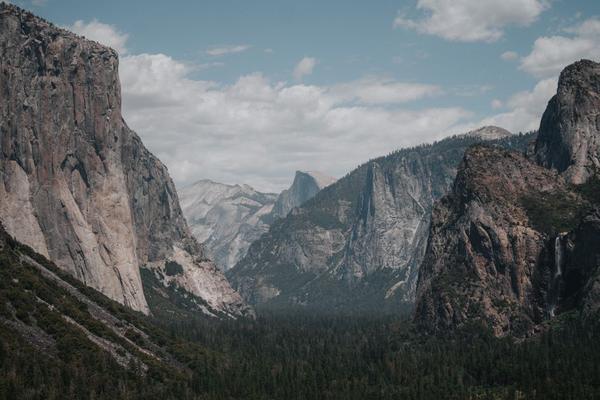
Yosemite can look like a completely different park depending on when you arrive. In May, snowmelt can turn the valley walls into a theatre of roaring water. By late summer, some famous falls may be reduced to a thin ribbon or disappear altogether. That seasonal transformation is one of the most important details for first-time visitors, yet it is often overlooked. This Yosemite National Park travel guide explains the essential attractions, the best seasons for different experiences, and how waterfall flow can shape what you see.
Why Timing Matters When Visiting Yosemite
Yosemite’s scenery is closely tied to the Sierra Nevada snowpack. Much of the winter precipitation falls as snow at higher elevations, then melts through spring and early summer. That runoff feeds rivers, meadows, and many Yosemite waterfalls. The exact peak varies because it depends on snowfall totals and spring temperatures, but the strongest waterfall flow is commonly seen in May or June.
Season also affects road access, trail conditions, crowds, and temperatures. A spring trip may deliver spectacular waterfalls but limited access to high-country roads. Summer usually offers the widest range of open trails, although popular areas can be crowded. Autumn brings quieter conditions, while winter creates a peaceful, snow-covered valley with fewer services and more travel considerations.
Top Yosemite Attractions for First-Time Visitors
Yosemite Valley
Most first-time trips begin in Yosemite Valley, where many of the park’s best-known landmarks are concentrated. Granite cliffs rise above the Merced River, and viewpoints reveal El Capitan, Half Dome, Bridalveil Fall, and Yosemite Falls. A practical Yosemite Valley guide should allow time for both sightseeing and slow exploration. Walking or using the valley shuttle can be more relaxing than repeatedly moving a car between crowded parking areas.
Tunnel View
Tunnel View provides the classic panorama, with El Capitan on the left, Bridalveil Fall on the right, and Half Dome in the distance. Morning and late-afternoon light can transform the scene, while spring usually gives Bridalveil Fall a stronger presence.
Glacier Point
When the road is open, Glacier Point offers an elevated view across Yosemite Valley and toward Half Dome and the High Sierra. Access is seasonal because snow can keep the road closed into late spring or early summer. Check the latest road status rather than assuming it will be open on a particular date.
Mariposa Grove and the High Country
Mariposa Grove adds a forest-focused experience with its ancient giant sequoias. Tioga Road, meanwhile, opens access to alpine lakes, granite domes, and Tuolumne Meadows. Both areas provide a refreshing contrast to the busier valley, but seasonal roads and shuttle operations should be confirmed before setting out.
Understanding Yosemite Waterfall Timing
Spring and Early Summer: The Strongest Flow
Spring is the headline season for waterfalls. As temperatures rise, melting snow sends water over the cliffs and fills even small seasonal cascades. Yosemite Falls commonly reaches its most impressive flow in late spring, with the average peak around mid-May, although heavy-snow years can push strong flow later. Vernal Fall, Nevada Fall, and Bridalveil Fall also benefit from spring runoff.
Powerful water means wet paths, slippery surfaces, cold spray, and fast-moving rivers. Stay behind barriers, keep away from river edges, and never enter water above a waterfall. Conditions that appear calm can become dangerous quickly.
Late Summer and Autumn: Lower Water Levels
By late summer, seasonal falls can weaken significantly. Yosemite Falls is often dry from late July or August into autumn, depending on the year. Vernal, Nevada, and Bridalveil continue to flow, but their volume may be much lower. Summer and autumn still offer excellent hiking and wider high-country access, but travellers expecting thunderous waterfalls should adjust their expectations.
Winter: Quiet Scenery and Changing Conditions
Winter storms can temporarily revive waterfalls, while snow transforms the valley into a quieter landscape. Some roads and trails close, and tyre chains may be required during wintry conditions. Yosemite Valley and Wawona remain accessible by car throughout the year, but mountain weather can change rapidly.
Choosing the Best Season for Your Trip
Choose spring if waterfalls are your main priority. April and May bring dramatic runoff, greener valley scenery, and variable weather, though higher areas may remain snowbound. Choose summer for longer days and the best chance of exploring Tioga Road and other high-elevation areas. Arrive early because traffic and parking pressure can be intense.
Autumn suits visitors who prefer cooler temperatures and lighter crowds, although waterfall flow is usually low. Winter is ideal for solitude, photography, and snow scenery, provided you are comfortable with reduced access and changing driving conditions. There is no single perfect season; the right choice depends on whether your priority is waterfalls, hiking, high-country access, or a quieter atmosphere.
Practical Tips for a Smoother Yosemite Visit
Plan accommodation early, especially from spring through autumn. Campsites and lodging inside or near the park can fill well in advance. For 2026, an entrance reservation is not required, although the standard park entrance fee still applies. Reservation policies can change, so verify the current rules before travelling.
During busy months, reach Yosemite Valley before peak traffic builds. The National Park Service recommends arriving before 9 a.m. or after 5 p.m. when possible. Once parked, use shuttles, bicycles, or walking routes. Carry water, sun protection, layers, and suitable footwear because elevation creates major temperature differences across the park.
Download maps before arrival because mobile coverage can be unreliable. Check trail, road, fire, smoke, and weather updates each day. Never feed wildlife, store food correctly, and follow posted safety guidance. A flexible plan is often more useful than a packed schedule when storms, congestion, or closures affect access.
Frequently Asked Questions
When is the best time to see Yosemite waterfalls?
May and June are generally the best months for strong waterfall flow, but the precise peak depends on the winter snowpack and spring temperatures. In an average year, Yosemite Falls often peaks around mid-May.
How many days do first-time visitors need in Yosemite?
Two to three full days provide enough time to explore Yosemite Valley, visit major viewpoints, and add either Mariposa Grove or the high country when seasonal roads are open.
Can you visit Yosemite without hiking?
Yes. Many famous views are accessible from roads, shuttle stops, short paths, and designated viewpoints. Tunnel View, valley meadows, Lower Yosemite Fall, and roadside overlooks make the park rewarding without strenuous hiking.
Do you need a reservation to enter Yosemite?
No entrance reservation is required in 2026, but an entrance fee applies. Separate reservations may still be needed for camping, lodging, backpacking, or the Half Dome cables. Always check current official guidance before your trip.
Plan Around the Yosemite Experience You Want
The most useful Yosemite National Park travel guide is not simply a list of landmarks. It helps you match the season to the experience you want. Visit in spring for booming waterfalls, in summer for high-country access, in autumn for calmer trails, or in winter for snow and solitude. Build flexibility into your plans, check conditions shortly before arrival, and give Yosemite enough time to reveal more than its famous viewpoints.