
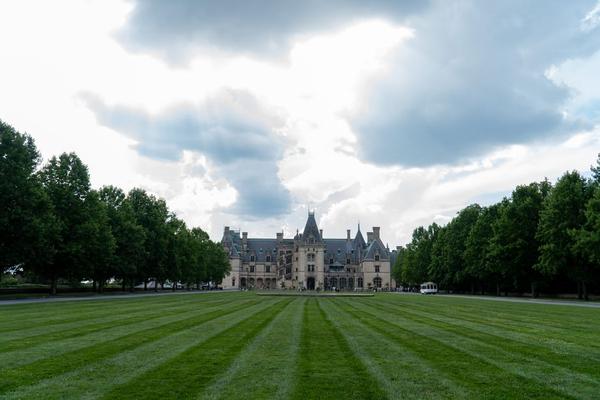
Asheville has always had the Blue Ridge Mountains on its doorstep, but the city itself has become just as compelling as the scenery. Travelers now come for chef-driven restaurants, independent galleries, breweries, yoga studios, spas, and creative neighborhoods. That mix makes Asheville ideal for a long weekend: you can spend the morning on a mountain overlook, the afternoon browsing working studios, and the evening eating your way through downtown.
The best time to visit depends on what you want most. Fall delivers famous foliage, spring brings comfortable hiking weather and blooms, summer is lively and outdoorsy, while winter offers a quieter version of the city. This Asheville North Carolina travel guide breaks down each season and highlights the attractions worth adding to your itinerary.
When Is the Best Time to Visit Asheville?
For the best balance of pleasant Asheville weather, manageable crowds, and outdoor access, late April through May and September through early October are excellent choices. Spring temperatures commonly move from the 40s into the 70s Fahrenheit, while fall days often settle into the 50s and 60s. These shoulder-season windows work well for walking downtown, hiking, visiting gardens, and driving scenic sections of the Blue Ridge Parkway.
October is the classic choice for leaf color, but it is also one of the busiest periods. If autumn scenery matters most, book lodging and popular activities early. Travelers who value lower prices and easier restaurant reservations may prefer winter, especially if their plans focus on food, art, music, and wellness.
Spring: Blooms, Trails, and Comfortable Days
Spring is one of Asheville’s most balanced seasons. Azaleas, rhododendrons, and other mountain blooms add color to gardens and trails, while temperatures are generally mild enough for active days. The North Carolina Arboretum is easy to pair with a scenic drive because its 434-acre campus sits near the Blue Ridge Parkway and includes gardens plus miles of forested hiking and biking trails.
A practical spring tip is to keep one outdoor morning flexible. Mountain weather can shift quickly, so choose the clearest day for Parkway overlooks and use a wetter day for the River Arts District, cafés, or a spa. That simple switch can save an itinerary without sacrificing major Asheville attractions.
Summer: Long Days and Outdoor Energy
Summer brings average temperatures in the 70s and 80s, with occasional hotter days. It is a strong season for kayaking, hiking, outdoor music, brewery patios, and mountain day trips. Afternoon showers are possible, so starting hikes early is usually more comfortable and gives you more flexibility later.
Summer also suits food-focused travelers. Asheville’s dining scene draws on Appalachian ingredients while mixing in global influences, craft beverages, local farms, and creative chef-led concepts. Reserve one evening for a restaurant you are excited about and leave another open for a spontaneous neighborhood meal.
Fall: The Most Photogenic and Popular Season
Fall is Asheville’s headline season because the Blue Ridge Mountains become a broad sweep of red, orange, and gold. Cooler temperatures make walking and hiking comfortable, while apple orchards, seasonal menus, art events, and mountain drives add to the atmosphere. The trade-off is demand: lodging can cost more, traffic can build around scenic routes, and popular trailhead parking may fill early.
If you are visiting Asheville mainly for fall color, avoid planning the day around a single overlook. Elevation changes mean foliage can vary across the region, so several scenic stops improve your chances of finding strong color. Check National Park Service road status before a Blue Ridge Parkway drive because weather, construction, maintenance, and storm-recovery work can cause temporary closures.
Winter: Quiet Streets, Cozy Food, and Wellness
Winter temperatures often fall into the 30s and 40s, and snow is possible, especially at higher elevations. Some Parkway sections may close during severe weather, so winter works best as a city-centered trip with optional mountain time.
This is also when Asheville’s wellness identity makes particular sense. The area offers resort spas, salt caves, flotation experiences, yoga, and other restorative treatments. Pair a slow morning with a long lunch, gallery browsing, and live music, and winter feels intentional rather than like an off-season compromise.
Best Asheville Attractions Beyond the Biltmore Estate
Biltmore is famous, but it should not be the only anchor of your trip. The River Arts District gives Asheville much of its creative personality. Former industrial buildings now house working studios, galleries, murals, cafés, breweries, and spaces where visitors can watch artists make ceramics, paintings, textiles, glass, and metalwork. The French Broad River Greenway also makes it easy to add a walk or bike ride.
Downtown Asheville deserves unstructured time too. Independent shops, restaurants, music venues, architecture, and street life reward wandering more than rushing between checkpoints. If you are planning a wider trip, Blue Ridge Mountains road trips, North Carolina weekend getaways, and scenic mountain towns are natural topics to explore next.
How Many Days Do You Need in Asheville?
Three days is enough for a strong first visit. Spend one day exploring downtown and the River Arts District, one day on mountain scenery and trails, and one day around food, gardens, Biltmore, or wellness. Four days is better if you want a slower pace or a nearby town such as Black Mountain or Weaverville.
A car is useful if you plan to explore the Blue Ridge Mountains, but you do not need to drive constantly once you are in town. Group attractions by area so you spend less time moving between neighborhoods. Asheville works best when the schedule leaves room for an unexpected gallery, a long coffee stop, or a restaurant recommendation from a local.
FAQ About Visiting Asheville
What is the best month to visit Asheville, North Carolina?
May and September are excellent all-round choices because they usually offer comfortable weather, outdoor access, and fewer peak-season pressures than October. Choose October for fall foliage, or winter if lower crowds and a food-and-wellness-focused trip appeal more.
Is Asheville worth visiting if I do not go to Biltmore?
Yes. The River Arts District, downtown food scene, North Carolina Arboretum, Blue Ridge Parkway, live music, breweries, galleries, hiking, and wellness experiences can easily fill several days without a Biltmore visit.
Do you need a car in Asheville?
You can explore parts of downtown without one, but a car is strongly recommended if your plans include mountain viewpoints, trailheads, the Arboretum, nearby towns, or longer sections of the Blue Ridge Parkway.
What should I pack for Asheville weather?
Pack layers in every season. Mountain temperatures can differ from downtown, and conditions can change during the day. Comfortable walking shoes, a light rain layer, and warmer clothing for higher elevations are useful even when the city forecast looks mild.
Planning Your Asheville Trip
Asheville is most rewarding when you resist treating it as only a gateway to the mountains. The scenery is a major reason to come, but the city’s food, art, neighborhoods, and wellness culture are what turn a scenic stop into a memorable destination. Pick the season that matches your priorities, leave flexibility for mountain weather, and balance outdoor time with the creative energy of the city itself.