
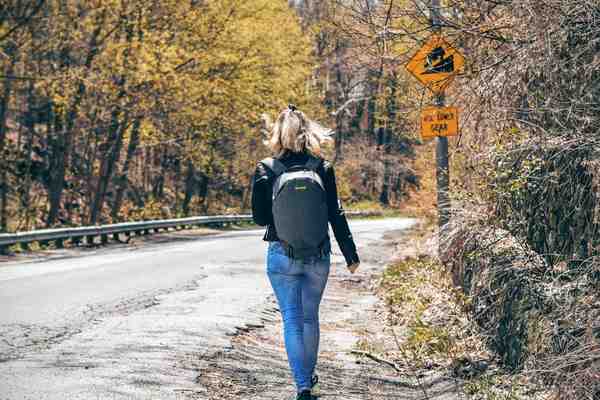
Backpacking alone can be one of the most rewarding ways to travel: you control the route, pace, and budget. The trade-off is that no travel partner is automatically watching your bag or checking that you arrived safely. Good solo travel safety is less about fear and more about small habits that reduce risk without draining the fun from the trip.
The best backpacking safety tips for solo travelers are often inexpensive. Research, a charged phone, sensible transport choices, and a simple check-in routine can matter more than specialist gear. Use these 15 habits as a practical system you can adapt to each destination.
Before You Leave
1. Check Official Travel Advice for Every Stop
Do not research only the country as a whole. Conditions can vary between cities, border areas, islands, and trekking regions. Check official government travel advice for security warnings, demonstrations, local laws, entry rules, health issues, and transport disruption. Recheck it shortly before each move because conditions can change while you are abroad.
2. Share an Itinerary and Check-In Plan
Give one trusted person your expected cities, accommodation names, transport details, and approximate dates. Agree how often you will check in and what they should do if you miss planned contact. This creates a safety net without requiring constant updates. A solo travel planning checklist would be a useful related internal resource.
3. Keep Copies of Important Documents
Store secure digital copies of your passport identification page, visa, travel insurance details, tickets, and emergency contacts. Keep a paper copy separately where practical. If your phone or wallet disappears, you should still be able to prove your identity and contact the right people.
4. Buy Insurance That Matches Your Trip
Budget solo travel does not mean choosing the cheapest policy without reading it. Check that your insurance covers your destinations and planned activities, such as hiking, scooter use, or higher-altitude trekking. Review medical, evacuation, cancellation, and theft limits before departure, not after a problem.
5. Plan Your First Arrival Before You Land
Your first hour in a new place is often when you are tired, distracted, carrying everything, and unfamiliar with local transport. Book the first night, save the address offline, and know how you will get there. If a bus arrives at 1 a.m., a reputable transfer may be safer than improvising alone at an empty station.
Stay Alert Without Advertising That You Are Alone
6. Choose Accommodation for Location as Well as Price
A cheap hostel can become a poor bargain if it leaves you walking through isolated streets at night. Read recent reviews for security, lockers, staff availability, and the surrounding area. On arrival, notice exits and how the door locks. How to choose a hostel would be another natural internal linking topic.
7. Use Reliable Transport and Verify the Vehicle
Prefer official, licensed, or well-reviewed transport providers. With app-based rides, compare the registration number, driver details, and vehicle before getting in. Avoid aggressive unlicensed offers at terminals. On trains or buses, keep essential valuables attached to you rather than unattended while you sleep.
8. Keep Your Phone Charged and Maps Offline
Your phone is a map, translator, booking record, and emergency contact device, so battery life is a safety resource. Carry a power bank, download offline maps, and save your accommodation address before leaving Wi-Fi. Do not assume mobile data will work everywhere.
9. Split Money and Cards Between Two Places
Keeping every bank card and all cash in one wallet creates a single point of failure. Carry day money separately, with a backup card and emergency cash stored elsewhere. Use ATMs in sensible locations and shield your PIN. One theft should not be able to stop your trip.
10. Protect Your Backpack in Crowded Places
Pickpocketing thrives on distraction. In stations, markets, queues, and crowded transport, keep zips closed and valuables out of outer pockets. Move a daypack to the front when necessary and avoid leaving a phone loose in a back pocket. Good backpacking alone tips become habits before trouble appears.
11. Be Careful With Real-Time Information
You can be friendly without telling strangers your room number, exact route, or that nobody expects you for several days. Consider posting social media updates after leaving a location rather than broadcasting where you are sleeping tonight. A vague answer to an intrusive question is fine.
12. Watch for Friendliness Combined With Pressure
Friendly locals are often a highlight of travel, so suspicion should not be your default. Pressure is the warning sign: someone insists you use a particular ATM, taxi, shop, bar, guide, or exchange despite hesitation. Slow down, check independently, step into a reputable business, or leave.
13. Set Personal Limits Around Alcohol and Nightlife
Being alone reduces your margin for error. Keep control of your drink, know how you are getting back, and avoid becoming so intoxicated that you cannot make decisions or navigate. New hostel friends may be great company, but they are still new acquaintances.
14. Trust Discomfort Before You Have Proof
You do not need proof that a street, driver, guest, or situation is dangerous before changing plans. Cross the road, enter a busy shop, order another ride, ask staff for help, or change accommodation. Being polite is less important than maintaining control of your surroundings.
15. Know Your Emergency Exit Plan
Save local emergency numbers and know how to contact your insurer, accommodation, transport provider, and relevant embassy or consulate. Keep enough accessible money to change transport or reach safer accommodation. During unrest, severe weather, wildfire, flooding, or another fast-moving event, follow local authorities and official travel advice rather than social media rumours.
FAQ
Is backpacking alone safe for first-time travelers?
It can be when you choose a manageable destination, research local risks, plan your first nights, and keep someone informed. New solo travelers may find well-connected places with established backpacker infrastructure easier than isolated or high-risk routes.
How can I stay safe in a hostel dorm?
Use lockers for valuables, secure passports and essential cards, and avoid leaving electronics unattended. Learn the exits and speak to staff if another guest makes you uncomfortable. A backpacking packing checklist can also help you separate irreplaceable items from ordinary gear.
Should I carry my passport everywhere?
Rules vary by destination. Some places require travelers to carry identification, while elsewhere it may be safer to secure the passport and carry a permitted copy. Check local law and official travel advice rather than assuming one rule applies everywhere.
What is the biggest safety mistake solo backpackers make?
Avoid creating a chain of vulnerabilities, such as arriving late without accommodation, losing phone power, carrying all money together, and having nobody know your plans. One problem may be manageable; several at once can turn a small setback into an emergency.
Travel Independently, Not Unprepared
Backpacking alone should feel freeing, not reckless. The strongest habits are simple: know the local situation, keep communications and money resilient, make deliberate transport and accommodation choices, and leave any situation that feels wrong. With those basics in place, solo travel safety becomes part of your routine, leaving more attention for the people, landscapes, and experiences you came to enjoy.