
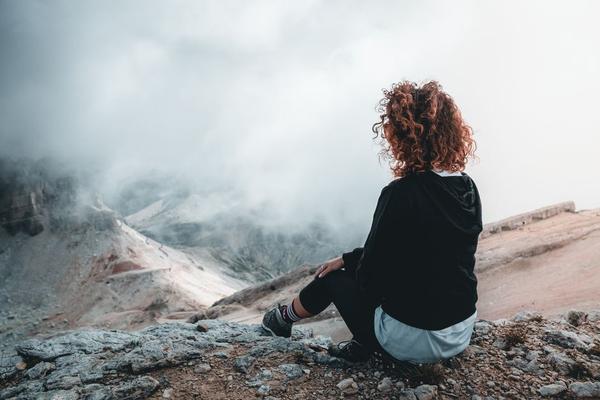
The hardest part of first-time solo travel often happens before you leave: deciding that you can handle a trip without someone beside you. You may be excited about choosing your own schedule and still worry about getting lost, eating alone or dealing with a problem. Those feelings can coexist. A successful first solo trip is not about proving you are fearless; it is about making practical decisions that help you enjoy the experience.
Choose a destination that makes the first step easier
Start with a place you genuinely want to visit, then consider how easy it will be to navigate independently. Look for straightforward transport, accommodation within reach of the main sights and a language or communication setup you can manage. Read recent reviews from solo travelers, but distinguish personal preferences from genuine safety concerns.
For beginner solo travel, a familiar city a few hours from home can be just as valuable as an international adventure. A two-night break gives you practice with check-in, meals and independent sightseeing without committing to a long itinerary. If you prefer to travel abroad, choosing one base rather than several cities can reduce transfers and decision fatigue.
Book the essentials before filling your calendar
Prioritize the journey and your first night’s stay
Compare arrival times as carefully as prices. A cheap flight that lands after midnight may cost more once you add late transport and the stress of navigating unfamiliar streets. Where possible, arrive in daylight and choose accommodation near reliable public transport or a clearly identified pickup point.
Check the property’s location on a map, its cancellation terms and recent comments about cleanliness, security and staff availability. A private room in a well-reviewed hostel or a centrally located hotel may be worth more to a nervous beginner than the lowest nightly rate. Save your booking confirmation offline.
Make a simple plan for your first 24 hours
Instead of planning every attraction, write down how you will get from the airport or station to your accommodation. Note the route, approximate cost, alternative transport option and check-in time. Download the relevant map for offline use and find the address in the local language when helpful.
Imagine arriving in a new city at 3 p.m. Your plan could be to take the airport train, check in, walk to a nearby café and explore one neighborhood before dinner. That is enough for day one. Knowing what happens after arrival leaves more energy for the interesting parts of traveling alone for the first time.
Build a budget with room for surprises
Estimate transport, accommodation, meals, activities, mobile data and travel insurance separately. Add a contingency amount for missed connections, a taxi when public transport feels unsuitable or a change of plans. Keep emergency money apart from your everyday spending funds, and have a backup way to pay if your main card stops working.
Check documents, health needs and connectivity
For international travel, confirm passport validity, visa or entry authorization requirements, transit rules and any required proof of onward travel using official government or destination sources. Requirements depend on your nationality, route and destination and can change. Check your home government’s travel advice, too.
Review destination-specific health guidance well ahead of departure. Some vaccines or preventive medicines need advance planning; the CDC advises consulting a qualified health professional several weeks before international travel. Verify that your insurance covers your destination, activities and relevant medical needs. Store digital copies of important documents separately from the originals.
Before setting off, arrange a roaming plan, local SIM or eSIM if your phone supports it. Test access to maps, accommodation details and emergency contacts. An offline solo travel packing list can help you remember essentials without filling your bag with unnecessary extras.
Use a safety routine, not a worst-case mindset
Share your itinerary and accommodation details with someone you trust, and agree on a reasonable check-in routine. Keep your phone charged, know the local emergency number and use reputable transport options. Avoid posting your precise live location publicly or telling strangers that nobody knows where you are staying.
Stay aware of your surroundings, particularly when using your phone, withdrawing cash or returning after dark. If a situation feels uncomfortable, moving into a staffed business or changing your plan is sensible, not rude. Safety also means looking after ordinary needs: sleeping enough, drinking water and recognizing when you need a quieter day.
Practice being on your own before departure
One useful preparation exercise costs almost nothing: spend an afternoon alone somewhere unfamiliar but accessible. Find a café, navigate to a museum and eat a meal without waiting for company. Notice which moments actually feel difficult. You may discover that asking for directions is easy while choosing a restaurant feels awkward; that tells you where to focus your preparation.
During the trip, small social moments can help without becoming obligations. Join a guided walk, take a class or speak to other travelers in a shared space. You can enjoy company at lunch and still spend the evening alone. Solo travel does not require constant solitude.
Leave space to change your mind
Plan one main activity per day, then add optional ideas nearby. This creates structure without turning the holiday into a checklist. If you love a neighborhood, stay longer. If you are tired, head back early. The advantage of a first solo trip is not doing everything; it is learning to trust your preferences while making reasonable choices.
Frequently asked questions
Is solo travel safe for a beginner?
It can be, but safety depends on your destination, timing, activities and decisions. Research current local guidance, choose dependable accommodation and transport, share your plans and prepare backup options. No trip is risk-free, whether you travel alone or with others.
How long should my first solo trip be?
A weekend or three-to-four-day trip is a manageable starting point for many people. It is long enough to experience independent travel without requiring an elaborate itinerary. Choose a duration that fits your budget, confidence and time away from home.
How do I avoid feeling lonely when traveling alone?
Mix independent time with low-pressure opportunities to meet people, such as small-group tours or classes. Keep in touch with loved ones without spending your whole trip on your phone. Feeling lonely occasionally does not mean the trip has failed.
What should I do if something goes wrong?
Focus on the immediate problem: move somewhere safe, contact the relevant transport provider or accommodation, and seek local emergency assistance if necessary. Your saved documents, emergency contact and financial backup will make practical setbacks easier to manage.
Start with a trip you can actually enjoy
First-time solo travel becomes less intimidating when you replace vague worries with a realistic arrival plan, sensible bookings and a few reliable safety habits. You do not need a perfect itinerary or instant confidence. Choose a destination that suits you, prepare the essentials and allow yourself to learn along the way. The first trip can be simple and still feel wonderfully independent.