
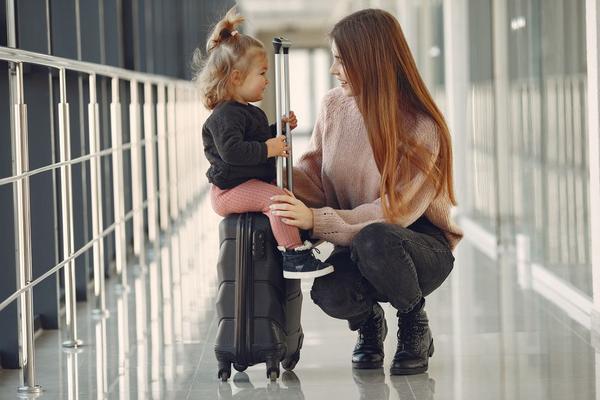
Holiday travel with kids rarely goes exactly to plan. Airports are crowded, highways fill up, winter weather can change an itinerary, and relatives may expect everyone to arrive cheerful and on time. Add tired children and a suitcase full of gifts, and an ordinary journey becomes a juggling act. The answer is not an impossibly detailed schedule. It is a plan that protects the essentials while leaving room for delays, snacks, and surprises.
Plan Around the Busiest Moments, Not Just the Destination
For holiday travel with kids, departure time can matter as much as the destination. Thanksgiving travel family plans often involve concentrated road traffic around the holiday, while Christmas travel with kids can mean busy terminals and unpredictable weather. Compare travel dates, connection times, and total door-to-door hours before choosing the cheapest ticket or shortest advertised drive.
If schedules allow, consider leaving a day earlier or returning after the busiest rush. For flights, a nonstop itinerary may be worth more than a modest fare saving. If you must connect, allow time to move children, bags, and a stroller between gates without sprinting.
Give Each Travel Day One Main Job
A long journey, a formal family dinner, and a late-night celebration rarely belong on the same day. A quieter arrival evening gives children time to settle. If your holiday family trip includes several households, agree which gatherings are essential and which can remain optional.
Make Airport Travel Less Complicated
Check in as soon as your airline permits, review assigned seats, and confirm baggage and stroller rules. Family seating policies differ, so do not assume buying tickets together automatically places every child beside an adult. Resolve seating questions before travel whenever possible.
Keep identification, medications, comfort items, chargers, and a change of clothes in your carry-on. Pack activities in separate pouches so children discover something new after each stretch of waiting. Headphones and downloaded entertainment help when airport Wi-Fi is unreliable.
At US airport checkpoints, the Transportation Security Administration permits formula, breast milk, toddler drinks, and baby or toddler food in quantities exceeding the usual 3.4-ounce liquid limit, subject to separate screening. Tell the officer about these items. Rules abroad may differ, so check departure and connecting airports.
Check Child Restraints Before Flying
The Federal Aviation Administration recommends that young children use an approved child restraint in their own airplane seat instead of traveling on an adult’s lap. Confirm the restraint label, airline requirements, and permitted seating positions. Ask whether your stroller or car seat can be checked at the gate.
Turn a Holiday Road Trip Into Manageable Stages
Driving offers flexibility, but busy season travel can turn a familiar highway into hours of stop-and-go traffic. Check forecasts and road advisories, then identify fuel, food, restroom, and indoor rest stops along the route. Avoid relying on one navigation app’s optimistic arrival time.
Seat children in properly fitted, age- and size-appropriate restraints, following seat and vehicle instructions. Keep water, snacks, wipes, and spare clothes accessible without unpacking the trunk. Never let bulky winter clothing compromise harness fit.
Imagine a family driving six hours to grandparents on the day before Thanksgiving. Instead of promising arrival by lunchtime, they leave after breakfast, plan two substantial breaks, and tell their hosts that dinner is the only fixed commitment. If traffic adds ninety minutes, the visit still starts comfortably. Managing expectations can prevent a stressful afternoon.
Pack for Delays, Weather, and Holiday Extras
Seasonal packing is different from an ordinary weekend away. Cold-weather layers take space, gifts may be fragile, and children need fresh clothes after spills. Start with a family travel packing checklist, then create one reachable essentials bag rather than spreading necessities across several suitcases.
Include a warm layer for each person, medications, basic first-aid supplies, water bottles, tissues, charging cables, and simple snacks. For snowy or rainy destinations, pack dry socks and appropriate footwear. Keep a small bag ready for wet clothing. Consider shipping bulky gifts ahead and leaving luggage space for presents received on the return journey.
Protect Sleep and Meals Without Enforcing a Perfect Routine
Late dinners, unfamiliar beds, and excited relatives can unsettle young travelers. Preserve a few familiar anchors: a bedtime story, regular meals, and a chance to rest away from noise. You do not need to reproduce every home routine to help a child feel secure.
Feed children before long lines or gatherings when possible. Carry familiar foods for picky eaters, and ask hosts about meal times before promising children an early dinner. For toddlers, plan a quiet break before major events rather than waiting for exhaustion.
Build a Backup Plan You Can Actually Use
Weather disruptions matter more when hotel rooms and rental cars are in demand. Save booking confirmations offline, review airline rebooking options, and identify somewhere to spend an unexpected night. Carry essential medications and enough supplies for a reasonable delay rather than placing them in checked luggage.
For driving, identify a safe stopping town and pause if road conditions turn hazardous. For flights, consider whether a missed connection would affect a prepaid activity. Flexible bookings may be valuable during peak periods, but read the actual cancellation terms.
Share a basic contact plan with accompanying adults. In busy terminals or holiday events, teach children where to seek help if separated and make sure they know a caregiver’s phone number or carry it securely.
Make Room for the Holiday Itself
Children may remember a cozy hotel breakfast or a silly game during a delay more vividly than a perfectly timed itinerary. Plan one enjoyable activity for the journey and leave breathing room after arrival. Our tips for flying with young children and family road trip activities can offer more age-appropriate ideas.
Successful holiday travel with kids does not mean avoiding every inconvenience. It means arriving safely, meeting essential needs, and keeping energy for the people you came to see.
Frequently Asked Questions
When should families book holiday travel?
Book once dates are reasonably firm, particularly if you need several seats together or specific accommodation. Compare total costs, cancellation terms, and alternative dates rather than assuming one booking week guarantees the lowest price.
How early should we reach the airport with children?
Follow your airport and airline guidance, then allow extra time for parking, bag drop, security, and restroom stops. International flights and checked car seats may require additional time.
How do you manage holiday travel with a toddler?
Keep snacks and comfort items close, schedule breaks, protect nap opportunities, and plan fewer activities after arrival. Flexibility matters more than expecting a toddler to follow an adult’s pace.
What if winter weather interrupts our trip?
Check official transport and weather updates, contact the carrier or hotel promptly, and prioritize safety over rushing. Keep emergency supplies accessible and let relatives know plans may change.
A Calmer Way to Travel Together
The busiest holiday trips become easier when you plan for slower transitions, unpredictable weather, extra baggage, and children who need breaks. Choose a sensible route, pack for disruptions, and keep the schedule forgiving. The goal is not a flawless journey; it is a family ready to enjoy the celebration.