
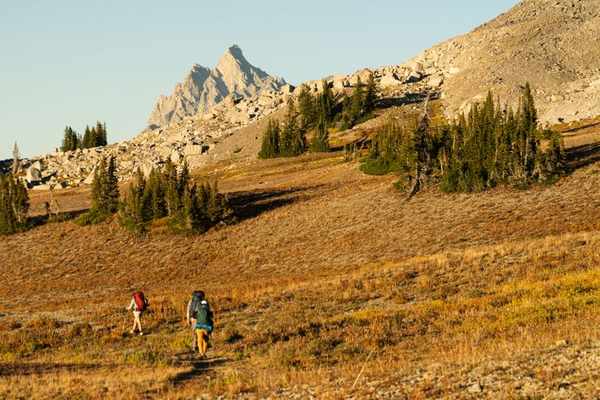
Your first overnight in the backcountry should feel like a manageable step beyond day hiking, not an endurance test with a tent attached. The best beginner backpacking trips in the USA are not defined by scenery alone. A route can look short on a map and still be difficult because of steep climbing, exposed terrain, scarce water, confusing junctions, or a campsite that is hard to reach before dark.
For a first backpacking trip, choose a route with enough margin for mistakes. You want time to adjust your pack, take breaks, filter water, set up camp before sunset, and turn around if conditions change. That makes route selection more important than chasing the most famous trail.
Start With Mileage You Already Understand
A useful starting point is a distance that already feels comfortable on day hikes. If you regularly hike five or six miles with a light pack, an overnight route requiring four or five miles to camp may be reasonable. Shelter, food, water, and sleep gear will slow you down.
Many easy backpacking trips work well as one-night out-and-back routes. You hike to a legal campsite, sleep, then return the same way. This removes the pressure of completing a loop and makes navigation simpler.
Judge Elevation Gain, Not Just Distance
Two routes with the same mileage can feel completely different. A six-mile approach with rolling terrain is not comparable to six miles that climbs several thousand feet. Read the elevation profile for sustained climbs, steep descents, high passes, and exposed sections.
Imagine Route A is 10 miles round trip with about 1,000 feet of climbing, while Route B is 7 miles round trip but gains 2,800 feet on the approach. For a new backpacker, Route A may be the easier choice even though it is longer.
Make the Campsite Part of the Route
Beginner hiking routes are easier to manage when camping rules are clear. Some parks and wilderness areas require designated campsites, while others allow dispersed camping under specific regulations. Permit systems also vary. Yosemite, Olympic, Rocky Mountain, and Sequoia and Kings Canyon, for example, require permits for overnight wilderness trips.
Before choosing a route, confirm where you may sleep, whether a reservation is required, and whether the permit is tied to a trailhead or campsite. Do not assume that reaching a scenic lake means you can pitch a tent beside it.
Verify Water Before You Depend on It
Water availability can change with snowmelt, drought, heat, and seasonal stream flow. A blue line on a map does not guarantee running water when you arrive. Check recent conditions through the park, forest, ranger station, or other official land manager whenever possible.
If reliable water is available near camp, you may be able to carry less from the trailhead. Regardless of how clear a backcountry source looks, plan to treat it using an appropriate filter, purifier, or other recommended method.
Keep Navigation Simple on Your First Overnight
Your first trip is not the ideal time to combine backpacking with difficult route finding. Favor maintained trails, obvious junctions, signed trailheads, and campsites that can be found without cross-country navigation. Download an offline map before leaving service and carry a backup navigation method.
Save desert washes, unmarked routes, technical scrambling, major river crossings, and complicated snow travel for later. Mojave National Preserve, for example, notes that much of its backcountry involves off-trail travel and is better suited to hikers with prior desert overnight experience.
Let Weather Change Your Decision
A trail does not have one permanent difficulty rating. Mountain thunderstorms, excessive heat, lingering snow, strong winds, wildfire impacts, and flash floods can turn an otherwise simple overnight into a poor choice.
Check the forecast for the actual trail area, not just the nearest city. The National Weather Service advises outdoor travelers to monitor thunderstorm risk before setting out; if you hear thunder, there is no completely safe place outside. In mountain regions, an early start can reduce the chance of being on exposed high ground during afternoon storms.
In desert country, check flash-flood risk as well. Rain can fall miles away and still send water through a canyon or dry wash downstream.
Give Yourself More Time Than You Think You Need
New backpackers often plan around their normal day-hiking pace. A heavier pack, water stops, route checks, and camp setup all take time. Leave early enough that arriving well before dark is the expected outcome.
Choose a route with an easy exit plan. An out-and-back trail with clear turnaround points is more forgiving than a remote loop where the only practical option is to keep going. Tell someone your itinerary, trailhead, expected campsite, and return time before you leave.
Check Rules That Can Change Your Gear
Food-storage regulations are a good example. Some destinations require approved bear-resistant canisters, while others use lockers or different storage rules. Campfire restrictions, waste rules, pet restrictions, and seasonal closures can also affect your plan.
Read the current regulations for the exact destination. Useful preparation topics to review alongside your route plan include backpacking packing list for beginners, how to filter water while hiking, and Leave No Trace basics for overnight trips.
Use a Simple First-Trip Test
Before booking a permit or driving to the trailhead, ask whether the route still looks sensible after you remove the scenery from the equation. Can you manage the mileage with a loaded pack? Is the climbing reasonable? Do you know exactly where you will camp? Is water dependable? Are navigation and weather risks within your current skills? Is there a comfortable turnaround option?
If several answers depend on luck, choose another route. The right first trip should stretch your experience slightly while keeping mistakes manageable.
Frequently Asked Questions
How many miles should a beginner backpack in a day?
There is no universal number. Base your first day on distances you already hike comfortably, then reduce expectations for the extra pack weight and time needed for water, navigation, and camp chores.
Is an out-and-back route better for a first backpacking trip?
Often, yes. Out-and-back routes simplify navigation, let you preview the return journey, and make turning around easier. A simple loop can also work when junctions, campsites, and exit options are clear.
Do all overnight backpacking trips in the USA require permits?
No. Permit requirements depend on the land manager and location. Many national parks and popular wilderness areas require overnight permits, while some public lands do not. Check the current rules for the exact trail before traveling.
What makes a backpacking route beginner-friendly?
Look for moderate mileage, manageable elevation gain, established trails, predictable water, legal campsites, straightforward navigation, a realistic weather window, and an easy way to shorten or abandon the trip if necessary.
Choose Margin Over Ambition
Your first overnight backpacking trip does not need to be the biggest route on your wish list. A shorter trip teaches you how your pack carries, how long camp chores take, what gear you use, and how you sleep outside.
Pick a route that gives you time and options. When mileage, elevation, water, campsites, permits, weather, and navigation all fit your current experience, you are far more likely to finish already thinking about where to backpack next.