
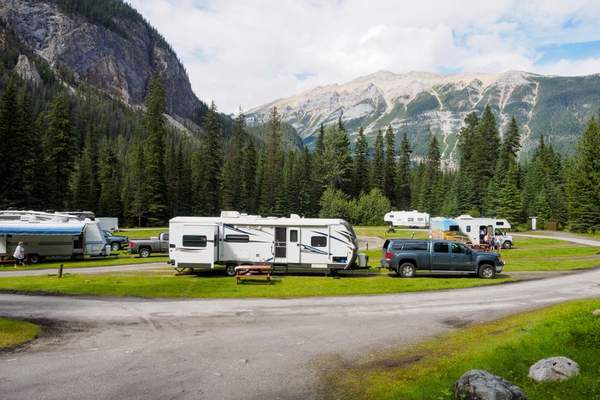
Your first camping trip should feel adventurous, not like a survival test. The easiest way to make that happen is to choose a developed campground with level sites, reliable restrooms, drinking water, clear check-in procedures, and useful services nearby. The best campgrounds for beginners also place memorable scenery within easy reach, so you can enjoy a national park, beach, lake, or forest without spending the weekend managing logistics.
The destinations below work especially well for tent and car campers. Some have showers and stores on site, while others trade a few comforts for exceptional locations. Reserve early, check seasonal details before leaving, and choose a site close enough to the restroom for convenience but not directly beside its busiest walkway.
What Makes a Campground Beginner-Friendly?
For camping for first timers, amenities matter more than isolation. Look for potable water, flush toilets, a staffed entrance, marked sites, maintained access roads, and a store or town within a short drive. A picnic table and fire ring simplify meals, while ranger programs and nearby easy trails give you something enjoyable to do without complicated planning.
Here is a practical first-trip strategy: arrive before sunset, pack a one-pot dinner, and practice setting up your tent at home. If rain begins during dinner, a defined tent pad and nearby restroom are far easier to manage than an unmarked primitive site. A first-time camping checklist can prevent most avoidable problems before departure.
Best Campgrounds for Beginners Across the USA
Mather Campground, Grand Canyon National Park, Arizona
Mather is one of the strongest beginner camping spots because it combines a world-famous destination with practical services. Located in Grand Canyon Village on the South Rim, it has drinking water and flush toilets throughout the campground. Camper Services near the entrance provides paid showers and laundry, while a market and free shuttle are nearby. It is open year-round, although high-elevation nights can be cold even after warm days.
Watchman Campground, Zion National Park, Utah
Watchman sits near Zion’s south entrance, visitor center, and the services of Springdale. That location helps anyone worried about forgetting food, ice, or small gear. Sites include a picnic table and fire ring, and the campground has potable water and flush toilets. There are no showers inside the campground. Shade is limited and summer heat can be severe, so spring and fall are often more comfortable for a first tent trip.
Colter Bay Campground, Grand Teton National Park, Wyoming
Colter Bay balances forest camping with convenient facilities. The campground is near Colter Bay Village, where visitors can find stores, restaurants, a marina, showers, and laundry. Sites have picnic tables and fire pits, and most include bear-storage boxes. A short walk brings views of Jackson Lake and the Teton Range without requiring a difficult hike. Bring warm bedding because cool nights are possible even in summer.
Apgar Campground, Glacier National Park, Montana
Apgar is Glacier’s largest campground and lies close to the west entrance, making arrival straightforward. It is shaded by trees, with Lake McDonald a short walk away. During the main season, campers have drinking water, restrooms, showers, a seasonal store, and ranger programs. Food lockers support safe camping in bear country. Beginners should visit during the fully serviced season, since facilities become more limited during primitive winter operations.
Cades Cove Campground, Great Smoky Mountains National Park, Tennessee
Cades Cove is a welcoming introduction to wooded family campgrounds. Open year-round, it provides drinking water, flush toilets, defined sites, and a seasonal camp store. The surrounding valley offers scenic drives, historic buildings, wildlife viewing, and manageable walks. There are no showers or hookups, and cell service is limited, so download maps before arriving and plan to use shower facilities in a nearby community if needed.
Blackwoods Campground, Acadia National Park, Maine
Blackwoods is about five miles from Bar Harbor and gives campers access to Acadia’s coastline, carriage roads, and trails without placing them far from town. Flush toilets and drinking water are available, and the seasonal Island Explorer bus can reduce driving. Showers are not provided inside the campground, but private facilities operate nearby. Coastal weather can be damp and cool, so bring a waterproof layer and keep bedding away from tent walls.
Gulf State Park Campground, Alabama
Campers who prefer warm weather and abundant amenities may find Gulf State Park less intimidating than a remote mountain campground. It is about a mile and a half from the beach and includes bathhouses, laundry, a camp store, recreational facilities, and paved trails. Primitive tent-only spaces are limited compared with improved sites, so confirm the site type before booking. It works especially well for families combining camping with swimming or cycling.
Letchworth State Park, New York
Letchworth offers campsites, showers, food concessions, playgrounds, trails, and dramatic gorge viewpoints. Its range of facilities makes it easier to entertain children and recover from minor planning mistakes. Construction or maintenance can affect particular campground facilities, so review current notices when selecting a loop. A guide to choosing a family tent and a simple campground meal plan are useful companion resources before a weekend here.
How to Choose the Right First Campground
Start with a trip you can realistically manage. A campground two or three hours from home may be better than a spectacular location requiring a full day of driving. Book two nights rather than a full week, avoid extreme temperatures, and select a reservable site so you are not searching for space after dark.
Read the individual site description, not only the campground overview. Check tent-pad size, parking, distance to water, food-storage rules, and whether showers are inside the campground. Easy campgrounds can still have seasonal closures, fire restrictions, wildlife requirements, or maintenance issues. Verify conditions with the park shortly before departure.
Frequently Asked Questions
What type of campsite is best for a beginner?
A reservable drive-up site in a developed campground is usually best. You can unload beside the site and have quicker access to restrooms, water, staff, and your vehicle if the weather changes.
How many nights should a first camping trip last?
Two nights is a comfortable starting point. It provides one full day outdoors while keeping the trip short enough to identify what equipment or routines you would change next time.
Do beginners need a campground with showers?
Not for every short trip, but showers add comfort for families, hot-weather camping, or active hiking itineraries. Confirm whether they are on site, seasonal, or available for an extra fee.
How far in advance should campgrounds be booked?
Popular national park campgrounds may fill months ahead, especially for weekends and peak seasons. Book when your dates are firm and check the campground’s reservation-release schedule.
Start With Comfort, Then Add Adventure
The best first campground is not necessarily the wildest one. It is the place where you can set up calmly, sleep comfortably, find water and restrooms easily, and spend more time enjoying the landscape than fixing preventable problems. Choose a developed destination that suits your weather tolerance and travel distance, prepare a simple plan, and let one successful weekend build confidence for more ambitious trips.