
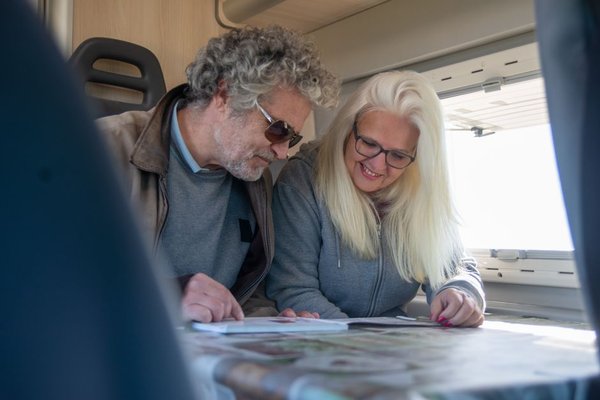
RV travel is especially appealing in 2026 because it combines the freedom of a road trip with many comforts of home. For beginners, that freedom depends on preparation. An RV is larger, slower and more complex than a car, so a relaxed trip starts with realistic distances, suitable campsites and a clear understanding of the vehicle.
This RV road trip planning guide covers the decisions that matter most, from choosing a rental to estimating fuel and building RV-friendly routes. The aim is not to schedule every minute, but to prevent the avoidable surprises that can turn a first time RV trip into a tiring one.
Start With the Trip You Actually Want
Before comparing vehicles or campgrounds, decide what kind of experience you want. Choose one or two priority destinations, set the total number of nights and decide how often you are comfortable moving.
Beginners often underestimate the time needed to pack up, dump tanks, refuel, buy groceries and set up again. A useful starting point is to drive no more than three to four hours on most travel days and stay at least two nights at major stops.
Choose the Right RV for the Route
The best RV is not automatically the biggest. A compact Class B camper van is easier to park and often suits couples or solo travelers. A Class C motorhome offers more sleeping space and is common in rental fleets. A towable trailer can work well with a properly rated tow vehicle, but reversing and hitching add a learning curve.
Useful RV rental tips include checking the exact exterior height, total length, fuel type and sleeping layout before paying. Ask whether mileage is included, how generator use is charged, what insurance is provided, and what extras cost. At pickup, photograph the RV and request a demonstration of the water system, electrical hookups, propane and waste tanks.
Do not rely only on the advertised sleeping capacity. A dinette bed that technically fits two people may not suit two adults. Match the floor plan to the travelers, then make sure your campsites can accept the RV’s full length.
Build RV-Safe Road Trip Routes
Standard car navigation may suggest roads unsuitable for a tall or heavy RV. Record the vehicle’s height, length, width and weight limits, then use an RV-specific routing tool or an atlas for larger vehicles. Check for low bridges, narrow mountain roads, steep grades, weight restrictions, tunnels with propane rules and seasonal closures.
Good RV road trip routes also include practical stops. Look for fuel stations with enough turning space, grocery stores with large parking areas and safe places to rest. Keep a backup route offline because mobile coverage can disappear in rural areas. Before each drive, review current road, weather and park alerts rather than assuming the original plan is still valid.
Reserve Campsites by Size and Services
A campground that accepts RVs may not accept every RV. Read the individual site description for maximum vehicle length, pad type, access road and turning space. Popular public campgrounds can fill quickly, so reserve priority stops early.
For a first trip, a developed campground with staff and marked sites is often easier than dispersed camping. Full hookups normally include electricity, fresh water and sewer at the site. Partial hookups may omit sewer, while dry camping provides no utility connection.
Check whether the electrical pedestal is 30-amp or 50-amp, whether potable water and a dump station are available. Our campground hookup guide and RV campsite booking checklist are useful next reads when comparing sites.
Create a Budget With a Buffer
RV trip planning costs extend beyond the nightly rental rate. Include mileage charges, fuel, campsites, insurance, propane, generator use, tolls, parking, groceries, activities and cleaning fees.
Fuel is often the largest variable. Estimate total route mileage, divide it by the rental company’s expected miles per gallon, then multiply by a realistic fuel price for the areas you will visit.
Plan Packing, Setup and Driving Safety
Pack lightly and secure everything before moving. Loose cookware, toiletries and electronics can become hazards during sudden braking. Bring a drinking-water hose, leveling blocks if not supplied, gloves for waste connections, a basic tool kit, flashlight and first-aid kit. A beginner RV packing list can prevent both overpacking and forgotten essentials.
At every departure, complete the same walk-around: disconnect utilities, close vents and windows, retract steps and awning, lock storage compartments, check tires, remove wheel chocks and confirm nothing is beside the RV. Use a spotter when reversing, agree on simple hand signals and stop if the driver loses sight of the spotter.
A Practical First-Trip Example
Imagine a couple renting a 24-foot Class C motorhome for six nights. Instead of attempting a 1,500-mile loop, they choose two campgrounds within 250 miles of the rental depot. They spend the first night close to pickup, giving them time to learn the systems and buy forgotten supplies. They then stay two nights at each main destination and reserve the final night within an hour of the return location.
This less ambitious plan creates more time at the destinations, reduces fuel costs and avoids a rushed return.
Frequently Asked Questions
How far should beginners drive each day?
Three to four hours is a sensible target for many beginners. Mountain roads, traffic, fuel stops and campsite setup can make an RV travel day longer than the same distance by car.
Do I need to book every campground in advance?
Book high-demand destinations and weekend stays early. You can leave flexibility in quieter areas, but confirm that overnight RV parking is legal and available rather than assuming a roadside or attraction parking lot permits it.
Is a special license required to drive an RV?
Requirements depend on the vehicle’s weight, size and the state or country issuing your license. Many common rental motorhomes can be driven with a standard license, but verify the rules with the rental company and relevant licensing authority.
What is the biggest beginner mistake?
Trying to cover too much distance is one of the most common mistakes. A slower itinerary provides time to learn the vehicle, handle delays and enjoy the destinations instead of spending most of the trip behind the wheel.
Make the First Trip Manageable
A successful RV trip is built around the vehicle’s real dimensions, a route designed for larger vehicles and campsites that match its length and utility needs. Keep daily drives moderate, understand every rental charge and practice the setup routine before leaving the pickup location. With a modest itinerary and room for adjustments, your first RV journey can deliver the comfort, flexibility and discovery that make this style of travel so appealing.