
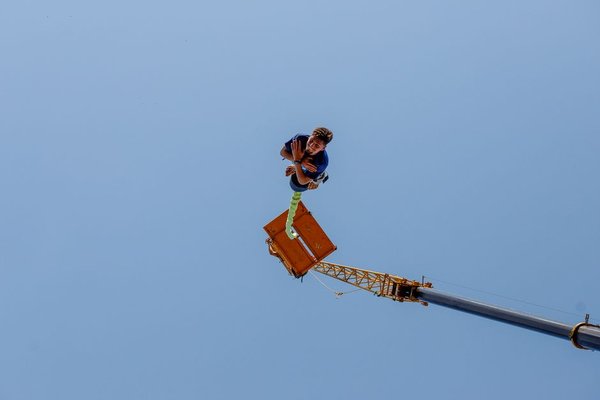
Bungee jumping in the USA is a little different from booking a zip line or rafting trip. There are fewer established commercial sites, local rules can be highly specific, and the logistics may be part of the challenge. A jump can involve a mountain hike, a private quarry, strict arrival windows, or weather-related delays. That makes advance research essential, especially if the jump is the main reason for your trip.
The best approach is to treat bungee travel as both an extreme-sports activity and a destination experience. Instead of choosing a place from an old list of bungee jumping locations, verify that the operator is currently running, check the site rules, and confirm that you meet the age, weight, health, and clothing requirements before paying for flights or accommodation.
Why U.S. Bungee Locations Need Extra Research
Commercial bungee jumping is available in the United States, but choices are limited compared with countries where permanent bridge and canyon operations are more common. Some U.S. sites operate on private property, while others involve public land or regulated outdoor areas. Permission, permits, inspections, and insurance requirements can vary by state and location.
A spectacular bridge on social media is not automatically a legal jump site. Washington law, for example, requires permission before bungee jumping from publicly owned bridges, land, or waters. Individual public lands may impose additional restrictions. Never assume that bringing your own equipment to a scenic structure is permitted.
For travelers comparing extreme sports USA experiences, look for a commercial operator with a clearly identified jump site, booking system, participant rules, and published safety information rather than an informal or improvised jump.
Current U.S. Experiences Can Be Very Different
Two active examples show how much the experience can vary. Bungee America operates at the Bridge to Nowhere in California’s San Gabriel Mountains. The day includes a rugged five-mile hike to the bridge, so participants must plan for a substantial round-trip hike as well as the jump. Creek crossings, wet footwear, heat, and trail conditions can matter almost as much as nerves at the platform.
On the East Coast, The Great Bungee Company operates in Harpers Ferry, West Virginia, at a private quarry site. Its setup is more destination-based, with scheduled arrival, registration, briefing, and jumping at the site. These examples show why bungee jumping in the USA is not one standardized travel product. The jump may last seconds, but the surrounding experience can take hours.
How to Evaluate an Operator
A professional-looking website is only the starting point. Ask what rules and standards apply at the site, how equipment is inspected, what training jump staff receive, and what happens when conditions are outside operating limits. ASTM F3785-25 is a current U.S. standard specifically addressing bungee jumping sites, including design, operation, maintenance, inspection, and auditing. State or local requirements may add further obligations.
You do not need to become an engineer before booking, but you should expect clear answers about equipment, jump procedures, emergency planning, and participant screening. Be cautious if an operator dismisses reasonable safety questions or encourages you to ignore stated restrictions.
Eligibility Rules Are Not Universal
Age and weight limits differ by operator and location. Bungee America currently lists a minimum age of 12 and a standard minimum weight of 90 pounds, while The Great Bungee Company in West Virginia requires jumpers to be at least 16 and publishes its own weight limits. Rules for minors, parental consent, and identification also vary.
Health restrictions deserve the same attention. Operators may restrict participation for pregnancy, certain cardiovascular or respiratory conditions, epilepsy, or significant joint, skeletal, or ligament problems. If a medical condition could affect your ability to jump safely, review the operator’s restrictions before booking and seek appropriate medical guidance if needed.
Weather Can Change the Day
Adventure jumps are weather-dependent in ways that ordinary attractions are not. Rain alone may not stop operations, but lightning, severe wind, intense rain, flooding, heat, or unsafe trail conditions can delay or reschedule a jump. Policies differ, so read the operator’s weather and cancellation terms before you travel.
Check the forecast for the jump site rather than the nearest major city. If your booking includes a hike, look at temperature, recent rainfall, and trail conditions too. Keep flexibility in your itinerary instead of scheduling a nonrefundable connection immediately after your jump window.
Build the Travel Plan Around the Whole Experience
A practical example: if you book the Bridge to Nowhere, do not plan as though you are driving to a roadside platform, jumping, and leaving an hour later. You need suitable footwear, time for the group hike, and a realistic plan for food, hydration, transport, and daylight. A fixed private-site booking may put more emphasis on arrival time, check-in, spectator arrangements, and reserved jump slots.
Before leaving home, confirm your reservation, arrival instructions, waiver requirements, parking or trailhead details, spectator rules, cancellation policy, and clothing requirements. An adventure travel packing checklist can help with remote jump days, while a guide to extreme sports in the USA can help you combine bungee jumping with rafting or climbing. An adventure travel safety guide is also useful for longer trips.
What to Expect on Jump Day
Most commercial experiences follow a structured process: check-in, waiver review, participant screening, briefing, equipment fitting, final checks, the jump, recovery, and removal of the system. Listen closely even if you have jumped before. Sites may use different platforms, harness configurations, retrieval methods, and commands.
Wear secure clothing and footwear that meets the operator’s rules. Arrive early enough that traffic or parking does not turn into a rushed check-in. Tell staff about anything that may affect your participation instead of hoping it will not matter once you reach the platform.
Frequently Asked Questions
Where can you bungee jump in the USA?
Commercial options exist in several regions, but availability changes. Current examples include the Bridge to Nowhere operation in California and a private-site experience in Harpers Ferry, West Virginia. Always verify the current schedule and site access before planning a trip.
How old do you have to be to bungee jump?
There is no single nationwide minimum age for every site. Operator rules and state requirements differ, and minors may need parental consent or an onsite guardian. Check your chosen jump’s exact requirements before booking.
Can bad weather cancel a bungee jump?
Yes. Severe wind, lightning, heavy rain, flooding, or unsafe access conditions can cause delays or rescheduling. Read the operator’s weather policy before making nonrefundable travel plans.
Do you need experience before your first bungee jump?
Most commercial operators accept first-time jumpers and provide a briefing. You still need to meet all eligibility requirements, follow staff instructions, and arrive prepared for the location-specific demands of the experience.
Plan the Jump, Not Just the Moment
The most memorable part may be the step off the platform, but good bungee travel planning happens well before that second. Verify that the location is currently operating, understand how it is regulated, review the operator’s safety procedures, confirm your eligibility, and leave room for weather or access changes. When those details are handled in advance, you can arrive focused on the experience rather than discovering a preventable problem at check-in.