
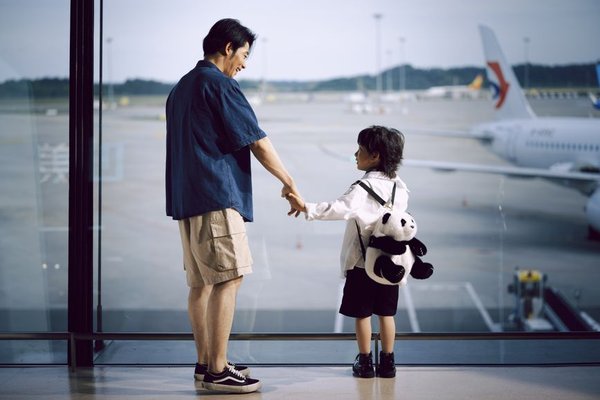
The flight is over, the bags are unpacked, and your child is wide awake at 3 a.m. Jet lag with kids can make the first days of a family trip feel harder than the journey itself. A toddler may demand breakfast before sunrise, while an older child becomes exhausted just as sightseeing begins. The goal is not to force everyone onto a perfect schedule immediately. It is to offer consistent signals that help their body clocks gradually catch up with local time.
Why Jet Lag Feels Different for Children
Jet lag happens when rapid travel across time zones puts the body’s internal clock out of step with the destination. Children may struggle to fall asleep, wake unusually early, feel hungry at odd hours, or become irritable. Travel fatigue adds another layer: missed naps, unfamiliar beds, noise, and excitement can disrupt sleep even without a major time difference.
Start With the Destination’s Clock
Once you arrive, use local time for the main anchors of the day: waking, meals, outdoor activity, and bedtime. You do not need to insist on every minute of the usual routine, particularly after an overnight flight. A predictable sequence matters more than a rigid timetable.
Make Daylight Part of the Plan
Natural light helps the body clock recognize daytime. The American Academy of Pediatrics recommends encouraging children to be active outdoors or in bright areas during daylight hours after international travel. A relaxed walk, playground visit, or breakfast near a sunny window may be enough to start. Keep the bedroom darker and quieter when it is time to sleep.
Use Meals as Familiar Landmarks
Offer breakfast, lunch, and dinner roughly when locals eat, even if portions are smaller than usual. Bring familiar snacks for children whose hunger has not caught up with the clock. Offer water regularly, especially after a dry cabin environment. Hydration supports comfort, but it does not instantly reset circadian rhythms.
Handle Naps Without Turning Them Into a Battle
A long afternoon sleep can make local bedtime more difficult, but keeping an exhausted child awake at any cost can backfire. For school-age children who no longer nap, a brief rest earlier in the day may help. For babies and toddlers, age-appropriate naps remain important; try to preserve them while gradually moving their timing toward the destination schedule.
Adapt Expectations by Age
Babies need frequent sleep and feeding, so respond to their cues instead of applying an adult jet-lag formula. Toddlers benefit from familiar bedtime steps and flexible naps. School-age children can help set a destination-time clock and understand why the family is changing routines. Teenagers may need extra support putting phones away before bed.
Does Eastward or Westward Travel Matter?
It often does. Eastward travel usually requires the body clock to shift earlier, which many people find harder. Westward travel commonly requires later sleep timing. These patterns are useful guides, not promises about how quickly a particular child will adjust.
Before a major trip, you can gently shift bedtime and wake time toward the destination over two or three days if family schedules allow. A gradual change is easier than sacrificing sleep to prepare. A family long-haul flight checklist can make the journey itself less disruptive.
Keep the Bedtime Routine Familiar
Children settle more easily when the steps surrounding sleep feel recognizable. Pack a favorite book or comfort object, follow the usual washing and pajamas routine, and use the same quiet words before lights-out. Check that a hotel room or rental has suitable curtains and a comfortable temperature. Reduce stimulating screen use before bed.
If your child wakes during the local night, keep interactions calm and lighting low. Offer reassurance or an age-appropriate feed when needed, but avoid starting a lively play session. The message is simple: it is still nighttime here.
A Realistic First-Day Example
Imagine a family arriving in London from New York in the morning. Their four-year-old slept poorly on the plane and wants to collapse at lunchtime. Instead of booking a full afternoon of museums, the parents arrange lunch, a gentle outdoor stroll, and a manageable rest. They eat an early dinner, follow their usual story-and-bed routine, and expect that the first night may still be interrupted.
The following morning, they open the curtains, offer breakfast at local time, and visit a park. They repeat those daytime and nighttime signals for several days. This approach does not guarantee an uninterrupted night, but it gives the child’s body clock consistent cues without making the holiday miserable.
Plan Recovery Time, Not Just Activities
Build breathing room into the arrival day and the day after returning home. Avoid demanding school or childcare commitments immediately after a long-haul journey if possible. An international travel packing checklist can help you remember sleep essentials, while a family travel itinerary guide can leave space for slower mornings.
Try not to compare siblings. One child may adjust quickly while another needs more nights. Patience, consistent routines, and a few low-pressure days serve the family better than chasing a perfect bedtime.
What About Melatonin or Sleep Medicines?
Do not give children melatonin, antihistamines, or other sleep aids simply to manage a time-zone change without medical advice. The American Academy of Pediatrics recommends discussing melatonin with a pediatrician first, because appropriate use depends on the child and supplement contents may vary. Light, routine, and sleep opportunity are the safer first steps. Contact your child’s healthcare professional if sleep problems are prolonged, severe, or accompanied by concerning symptoms.
Frequently Asked Questions
How long does jet lag last in kids?
Adjustment varies with the number of time zones crossed, travel direction, and the child. Some feel better after a few days; others take longer. Look for gradual improvement rather than expecting a fixed deadline.
Should I wake my child from a nap after traveling?
Not automatically. Very long or late naps can interfere with bedtime, but infants and toddlers still need sufficient daytime sleep. Adjust nap timing gently and prioritize safety and your child’s age-specific needs.
Can a toddler have jet lag without flying?
Ordinary sleep disruption after a road trip may resemble toddler jet lag, but true jet lag involves crossing time zones faster than the body clock can adapt. A changed routine alone is usually travel-related sleep disturbance.
What helps kids sleep after travel?
Consistent local meal and sleep times, appropriate daylight exposure, familiar bedtime rituals, and a calm, dark room are sensible starting points. Keep the next day’s schedule flexible if the night goes badly.
A Gentler Way to Settle In
Kids jet lag is rarely solved by one trick. For smoother family time zone travel, focus on repeatable habits: daylight during the local day, predictable meals, age-appropriate rest, and a reassuring nighttime routine. Give everyone room to adjust. The memorable part of the trip should be what you discover together, not the hour your child finally fell asleep.