
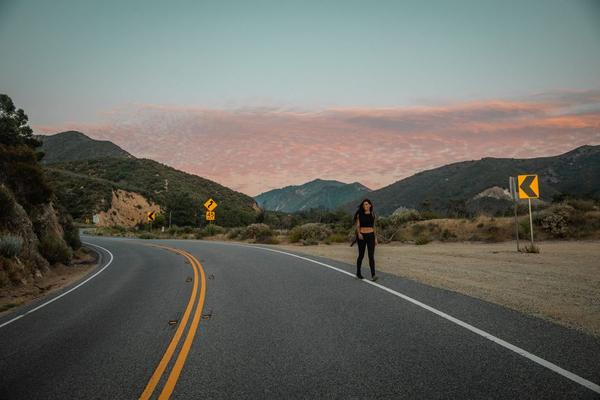
Exploring the United States alone can feel both exciting and intimidating. The country is enormous, transport varies by region, and a busy East Coast city offers a very different experience from a national park road trip. A useful solo female travel USA guide should help you choose a suitable destination, create a manageable itinerary, and prepare for moments when you must rely on your own judgment.
Solo travel in the USA is flexible. You might spend a weekend using public transport in a compact city, join guided activities, or plan a nature-focused trip around scenic drives and popular trails. The goal is to create layers of preparation that make problems less likely and easier to handle.
Choose a Destination That Matches Your Travel Style
There is no single list of the safest cities for women that suits everyone. Safety can vary by neighborhood and time of day, while a destination that feels easy for one traveler may feel overwhelming to another. Look beyond rankings and compare airport connections, walkability, public transport, recent accommodation reviews, mobile coverage, and the availability of daytime activities.
Easy City Breaks
Boston and Washington, D.C. are appealing for women traveling alone who enjoy museums, historic areas, guided tours, and public transport. Both offer enough central attractions to build a full itinerary without renting a car. San Diego is another strong choice for beaches, distinct neighborhoods, and a relaxed pace. Check the exact area around your accommodation rather than judging an entire city by its general reputation.
Culture, Food, and Entertainment
New York City, Chicago, New Orleans, and Nashville are rewarding female travel destinations with tours, performances, food experiences, and lively public spaces. Stay near the places you expect to visit, avoid long late-night journeys, and decide in advance how you will return after an evening event.
Nature and Outdoor Adventures
National parks are inspiring, but solo outdoor travel needs extra preparation. Choose trails that match your real fitness and experience, review park alerts, check the weather, and leave your route and return time with someone you trust. Do not rely entirely on mobile service in remote areas. Carry a downloaded map, charged power bank, water, suitable layers, and a basic emergency plan.
Make the First Day Deliberately Easy
One of the most useful solo female travel tips is to reduce pressure on arrival day. Try to arrive during daylight, reserve your first night before departure, and save the hotel address offline. Your first activity can be simple: check in, walk around the immediate area, buy water and snacks, and identify the nearest transport stop.
Leave room for delays, weather changes, tiredness, or a neighborhood that feels different from what you expected. Flexibility lets you change direction without feeling that you have ruined the trip. A guide to planning a solo travel itinerary would be a useful internal resource for readers who want a step-by-step schedule.
Select Accommodation Carefully
Location often matters more than saving a small amount of money. A cheaper room becomes poor value if it requires expensive rides, long walks through quiet areas, or complicated transfers after dark. Read recent solo-traveler reviews and examine the surrounding streets before booking.
At check-in, avoid saying your room number aloud in a crowded lobby. Keep the door locked, use the secondary latch when available, and contact reception if someone unexpectedly claims to be hotel staff. For hostels, review locker arrangements, reception hours, and women-only room options.
Plan Transportation Before Going Out
Download the local transport app and check last-service times before leaving your accommodation. When using a taxi or rideshare, confirm the vehicle and driver details, sit where you feel comfortable, and avoid sharing unnecessary personal information. When something feels wrong, end the journey in a busy, well-lit place rather than worrying about appearing impolite.
For road trips, keep fuel above a comfortable minimum, store emergency contacts, and download offline directions for rural areas. Do not leave luggage, electronics, or passports visible inside a parked vehicle. USA road trip planning is another natural internal topic for travelers considering a car-based route.
Pack for Independence
Carry a portable charger, refillable water bottle, basic first-aid supplies, weather-appropriate layers, comfortable shoes, and document copies stored separately from the originals. Keep essential medication in your carry-on bag and a backup payment method away from your main wallet.
Before flying, review current Transportation Security Administration rules. Carry-on liquids, aerosols, gels, creams, and pastes generally follow the 3-1-1 format, while specific products can be checked through the TSA “What Can I Bring?” guidance.
Use Practical Safety Habits Without Letting Fear Lead
Share your broad itinerary with a trusted person and agree on useful check-in times, such as arriving at a new hotel or returning from a remote hike. Pay attention when wearing headphones, using an ATM, or reading directions. Step into a café or shop if you need time to study a map.
Limit how much you reveal about traveling alone to strangers, and trust discomfort even when you cannot immediately explain it. Changing seats, entering a business, asking staff for help, or leaving an activity are reasonable choices. In an immediate emergency in the United States, call 911 and be ready to provide your location, phone number, and a clear description of what is happening. Calling is preferred because text-to-911 availability varies by area.
A Practical Four-Day Example
Imagine a first-time solo traveler visiting Washington, D.C. She books a hotel near a well-used Metro station, arrives in the afternoon, and keeps the first evening local. On day two, she joins a morning walking tour and visits museums. Day three includes a prebooked group excursion, creating social contact without sacrificing independence. She keeps day four light so a delay or weather change does not create pressure. The structure balances freedom, company, and predictable transport.
Frequently Asked Questions
Is the USA suitable for a first solo female trip?
Yes, when you select a manageable destination and plan transport and accommodation carefully. A compact city with direct flights, reliable visitor infrastructure, and plenty of daytime activities is usually easier than a multi-state road trip.
Which destinations are best for women traveling alone?
Boston, Washington, D.C., San Diego, New York City, and national park gateway towns can work well, depending on your interests and experience. Research the exact neighborhood, season, transport options, and current local conditions before booking.
Should I rent a car?
Not always. Major cities may be easier without one, while national parks and rural regions often require a vehicle. Compare parking costs, driving distances, public transport, and your comfort with unfamiliar roads.
How can I meet people while traveling alone?
Book small-group tours, food walks, classes, hostel events, or ranger-led programs. These activities create natural social contact while leaving you in control of the rest of your itinerary.
Travel With Preparation and Confidence
The best solo trips are built around good information, realistic pacing, and the freedom to adjust when something feels wrong. Choose places that match your experience, make the first day easy, plan transport before going out, and treat outdoor adventures with respect. With those habits in place, exploring the USA alone becomes less about managing uncertainty and more about enjoying the independence that inspired the trip.